Tell us about the job
Takes about a minute. No obligation.
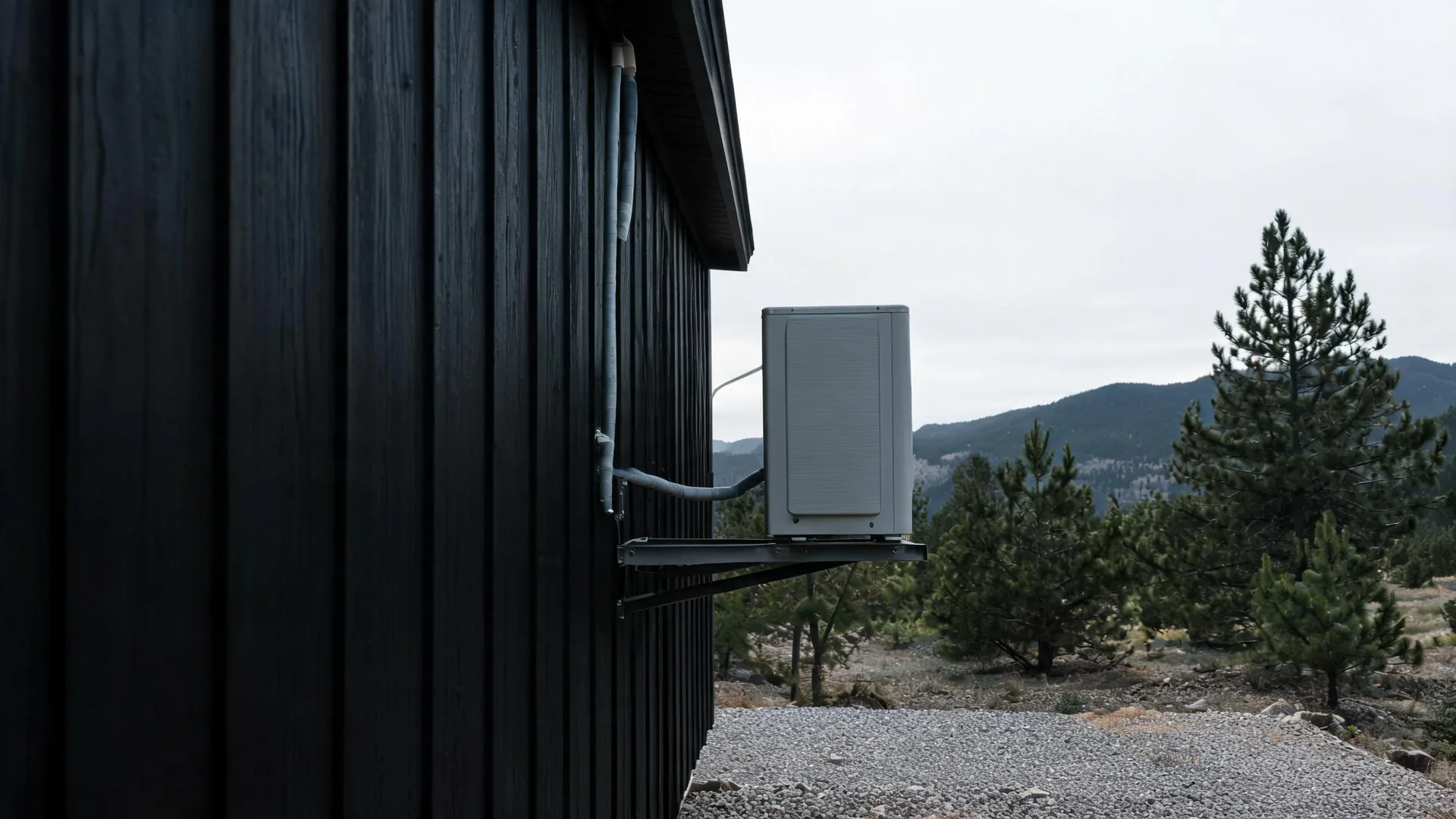
A contractor diagnosing a mini-split in Pitkin County looks first at the heating-side components: the reversing valve, the defrost circuit, the coil, and the outdoor fan motor. Homes in Pitkin County, CO have essentially no cooling season — no month of the year is warm enough to call for it. The compressor carries virtually no cooling load, so wear on it ties to heating cycles alone. A refrigerant leak or a failed contactor on a system here points toward winter stress, not a summer's worth of starts and stops. That narrows the diagnostic scope before the contractor opens the unit.
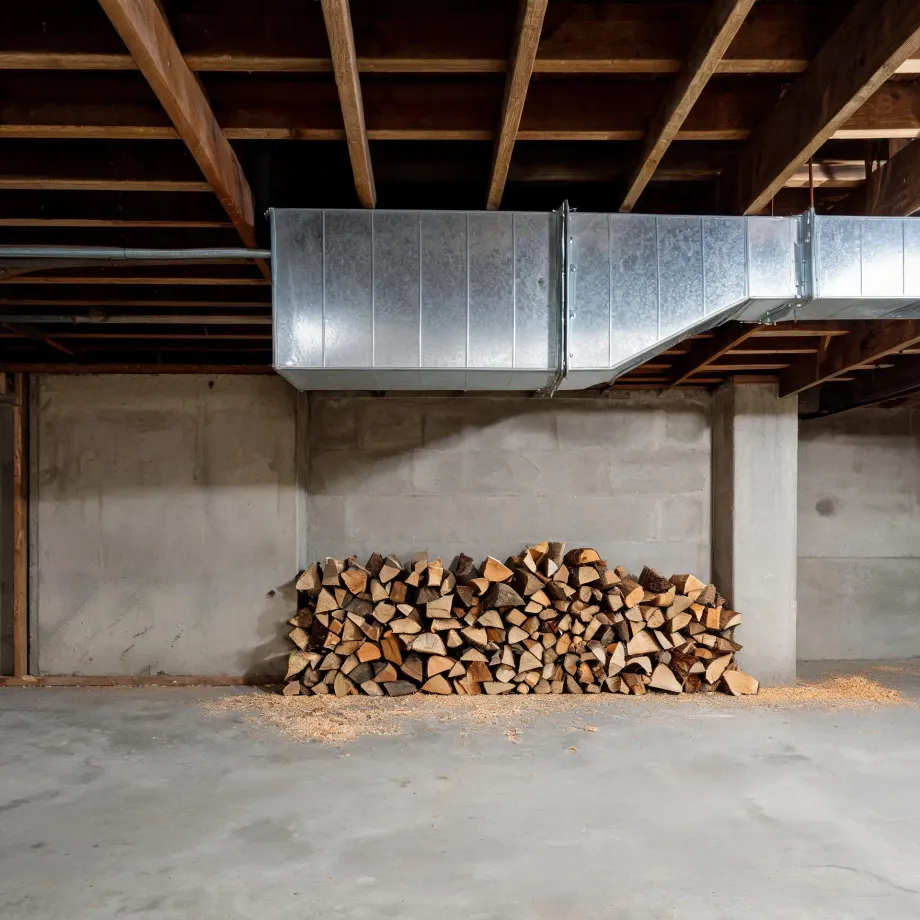
Older refrigerant lines and compressor assemblies do not age on a shelf waiting to be ordered. Half the homes in Pitkin County, Colorado were built in 1985 or earlier (2020-2024 ACS 5-year). A mini-split running in housing of that vintage may be drawing on a parts supply that has narrowed since the unit was first installed, and a contractor opening the system will check availability before quoting a repair scope. If the component is discontinued, the repair answer changes, and so does the price.
The Parts of a Mini-split a Contractor Checks First
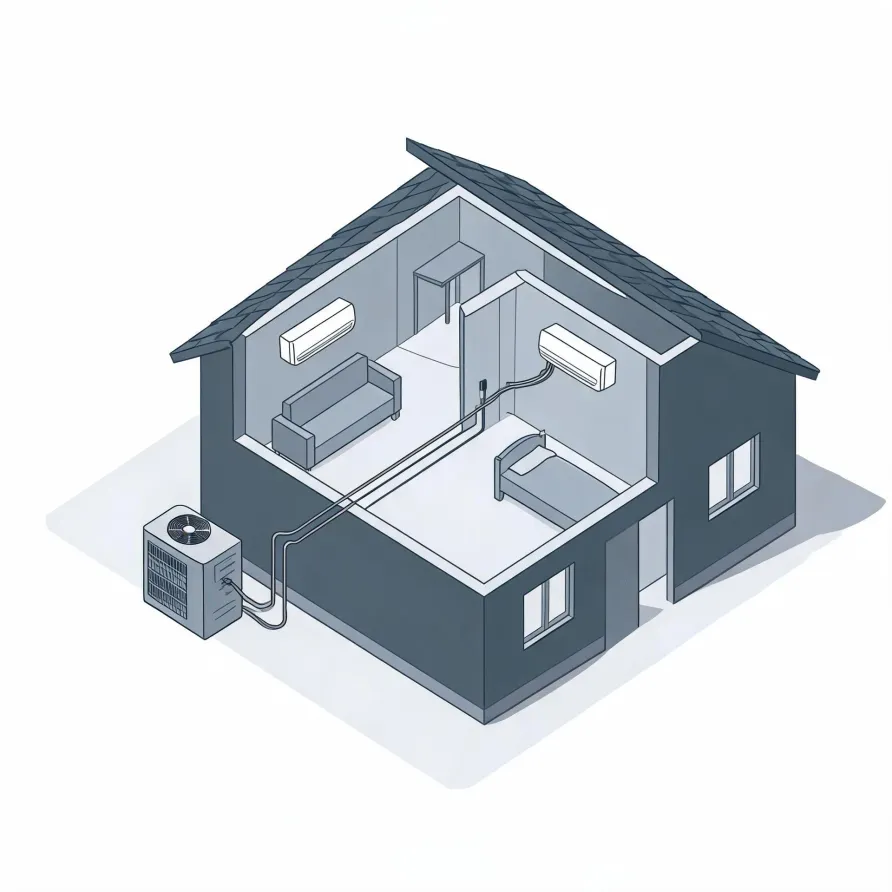
The indoor air handler mounts high on an interior wall and is the piece most homeowners notice. It draws room air across the evaporator coil and the blower that moves it. When a room stops cooling or heating, or the unit runs but does nothing, the handler is where a contractor starts looking.
The outdoor condenser unit sits on a pad or bracket outside the house and holds the compressor and the condenser coil. A refrigerant line set and a condensate drain line run through the wall to connect the two units. Faults in the compressor, a refrigerant leak along the line set, or a blocked drain can each shut the whole system down.
The drawing shows a typical layout, and a licensed contractor determines what applies to your specific installation.
Find a contractor in Pitkin CountyPitkin County, by the record
84 severe weather events were recorded in Pitkin County, Colorado between 2015 and 2024.
NOAA National Centers for Environmental Information, Storm Events Database, bulk CSV export, events 2015-01-01 through 2024-12-31.Half the homes in Pitkin County, Colorado were built in 1985 or earlier (2020-2024 ACS 5-year).
U.S. Census Bureau, 2020-2024 American Community Survey 5-Year EstimatesPitkin County, Colorado holds 13,412 housing units (2020-2024 ACS 5-year).
U.S. Census Bureau, 2020-2024 American Community Survey 5-Year EstimatesOwners occupy 62.8% of the occupied homes in Pitkin County, Colorado (2020-2024 ACS 5-year).
U.S. Census Bureau, 2020-2024 American Community Survey 5-Year EstimatesWeather Stress on HVAC Equipment in Pitkin County
Pitkin County's climate puts real load on heating and cooling equipment year-round, and that load shows up as wear, failure, and repair calls. How hard local weather hits determines how hard the equipment works.
84 severe weather events, 2015–2024. Source: NOAA National Centers for Environmental Information, Storm Events Database.