Tell us about the job
Takes about a minute. No obligation.
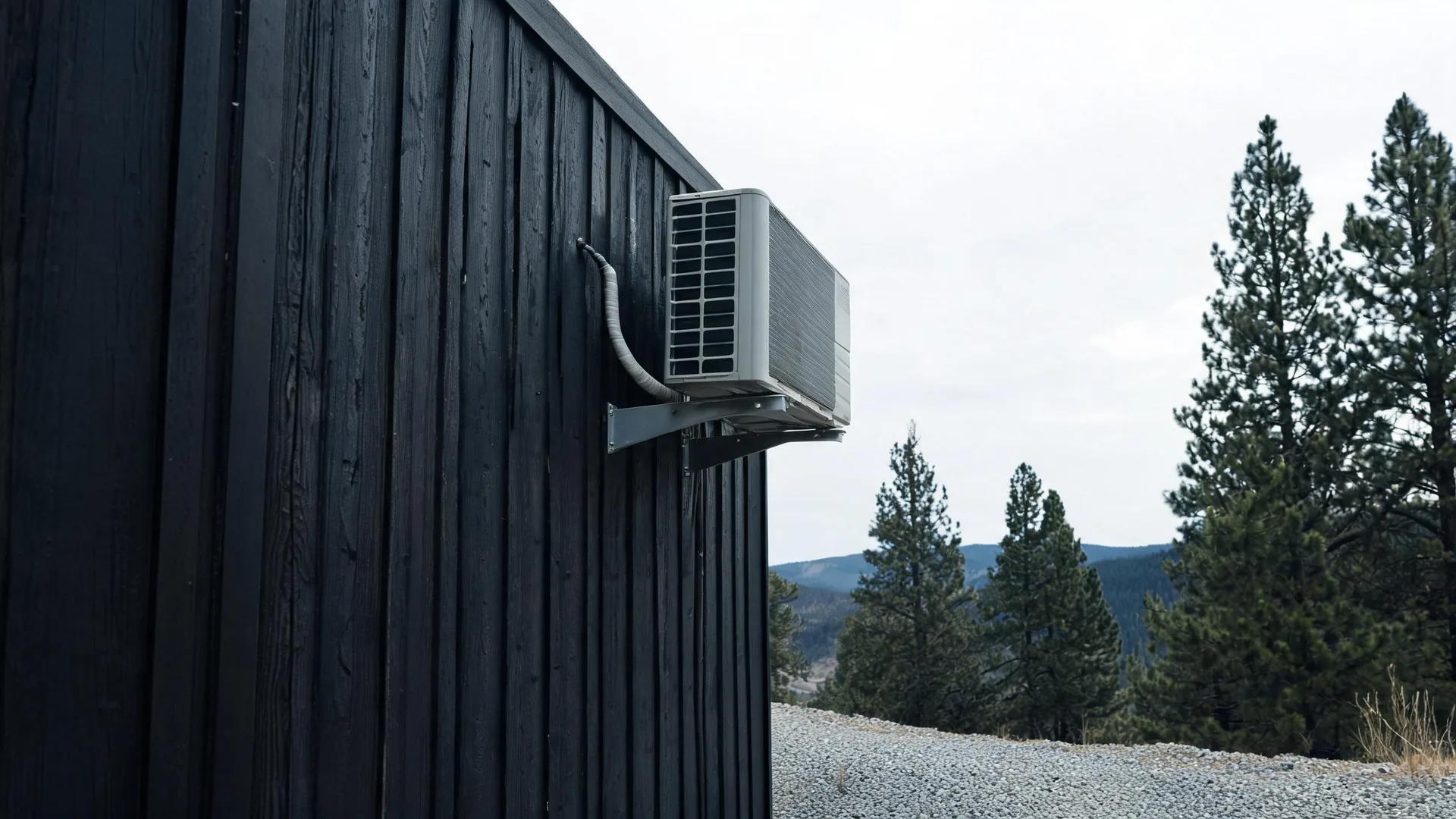
A contractor quoting a mini-split installation in Clear Creek County has one real sizing question: how much heating the refrigerant circuit needs to deliver. Homes in Clear Creek County, CO have essentially no cooling season — no month of the year is warm enough to call for it. The compressor and condenser fan carry no cooling runtime here, so wear on those parts will come entirely from the heating cycles the unit runs through each winter. That shifts what a careful install looks like: the outdoor unit placement, the line set routing, and the back-up heat arrangement all answer to a heating-only demand. Undersizing shows up fast when cold arrives.
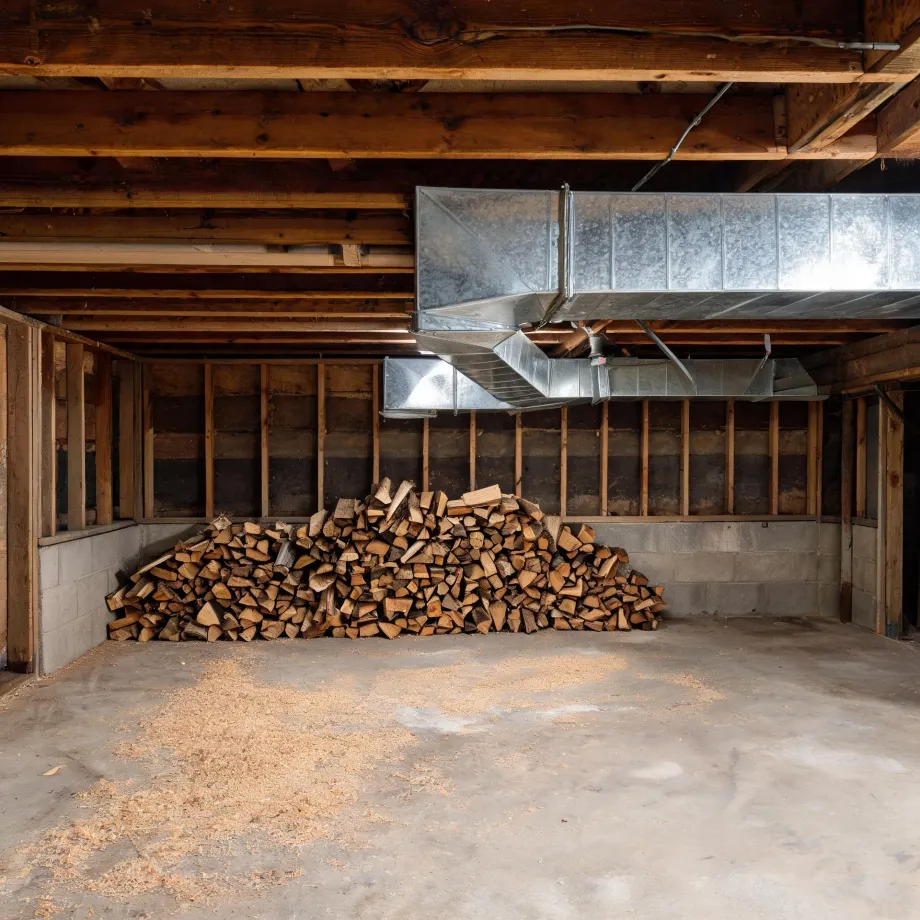
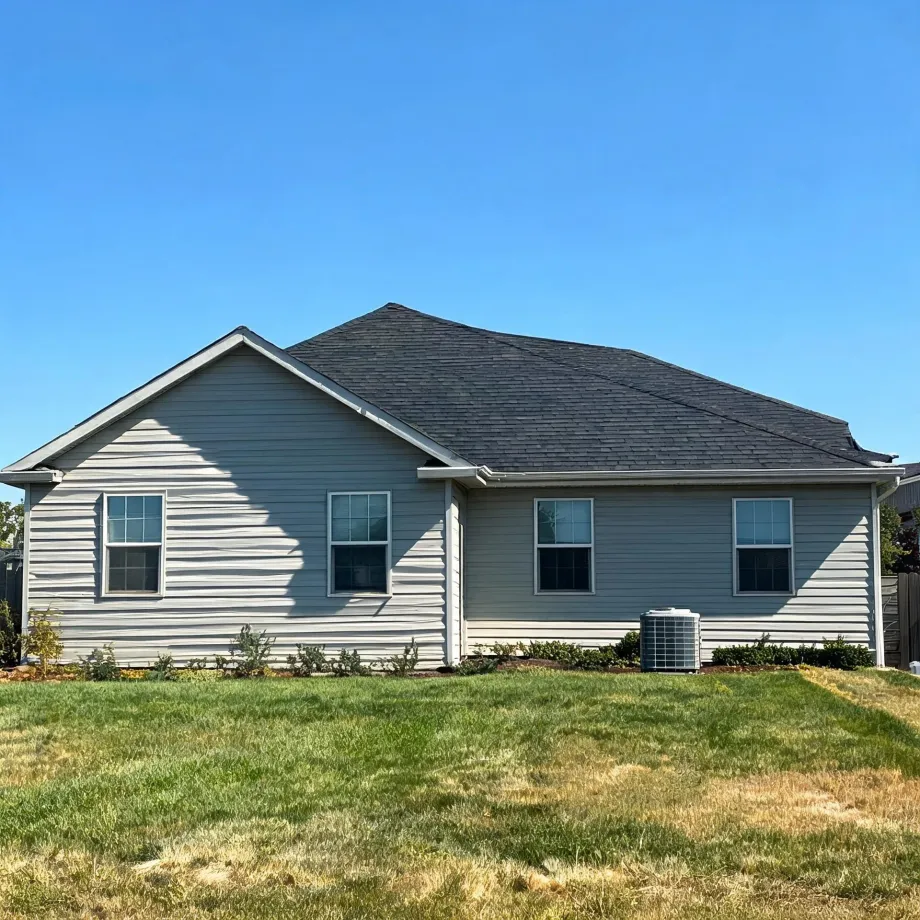
Electrical panels in houses built for an earlier generation of heating rarely have the capacity a mini-split installation draws on without modification. Half the homes in Clear Creek County, Colorado were built in 1976 or earlier (2020-2024 ACS 5-year). A contractor quoting a mini-split here opens the panel before anything else, because what it holds decides whether the job includes an upgrade or not. That finding changes the scope of the work and the price.
What a Mini-split Installation Puts in Your Home
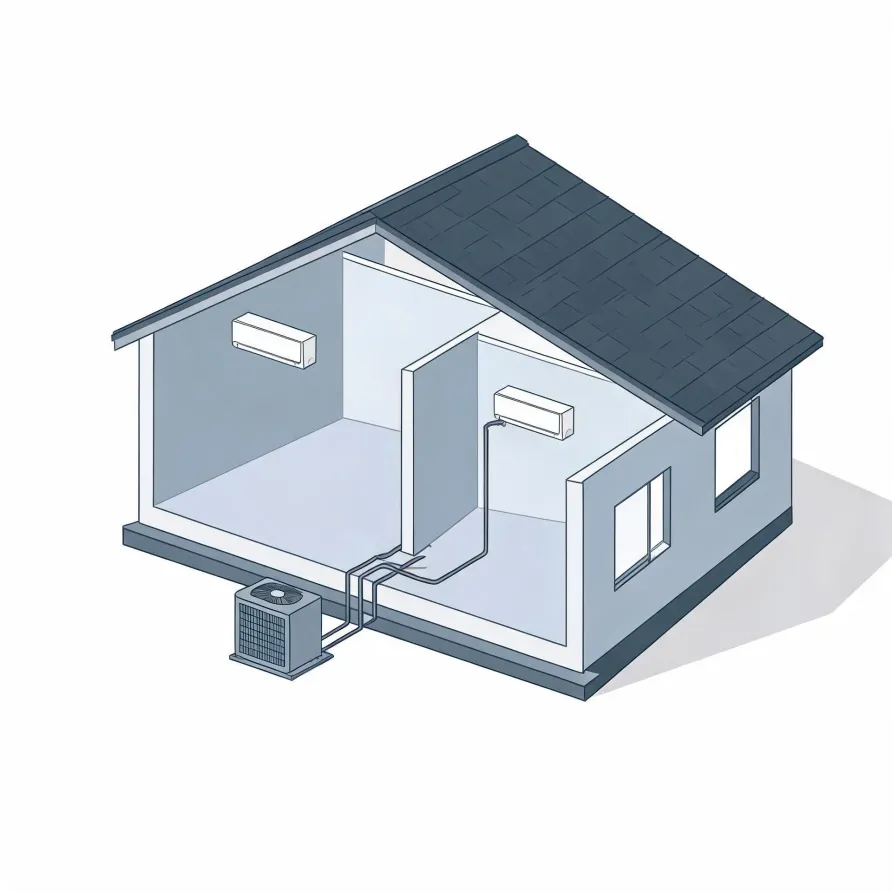
The indoor air handler mounts high on an interior wall in the room being served, which is where most homeowners notice the system first. It pulls room air across a coil and delivers conditioned air back into the space. Each zone in the house gets its own unit.
The outdoor condenser unit sits on a pad or bracket outside the house and houses the compressor and the main coil. A refrigerant line set runs through a small penetration in the wall, bundling the copper lines and the electrical wiring that connect the two units. A condensate drain line also exits the indoor unit and routes moisture outside.
The drawing shows a typical layout, and a licensed contractor determines exactly how the system is configured for this particular house.
Get matched in Clear Creek CountyClear Creek County, by the numbers
150 severe weather events were recorded in Clear Creek County, Colorado between 2015 and 2024.
NOAA National Centers for Environmental Information, Storm Events Database, bulk CSV export, events 2015-01-01 through 2024-12-31.Half the homes in Clear Creek County, Colorado were built in 1976 or earlier (2020-2024 ACS 5-year).
U.S. Census Bureau, 2020-2024 American Community Survey 5-Year EstimatesClear Creek County, Colorado holds 5,814 housing units (2020-2024 ACS 5-year).
U.S. Census Bureau, 2020-2024 American Community Survey 5-Year EstimatesOwners occupy 81.6% of the occupied homes in Clear Creek County, Colorado (2020-2024 ACS 5-year).
U.S. Census Bureau, 2020-2024 American Community Survey 5-Year EstimatesSevere Weather Events in Clear Creek County, Year by Year
Clear Creek County sits at high elevation, and the climate here puts real demands on heating and cooling equipment year-round. How hard a mini-split works over its life is a local question, and local weather history is part of the answer.
150 severe weather events, 2015–2024. Source: NOAA National Centers for Environmental Information, Storm Events Database.