Tell us about the job
Takes about a minute. No obligation.
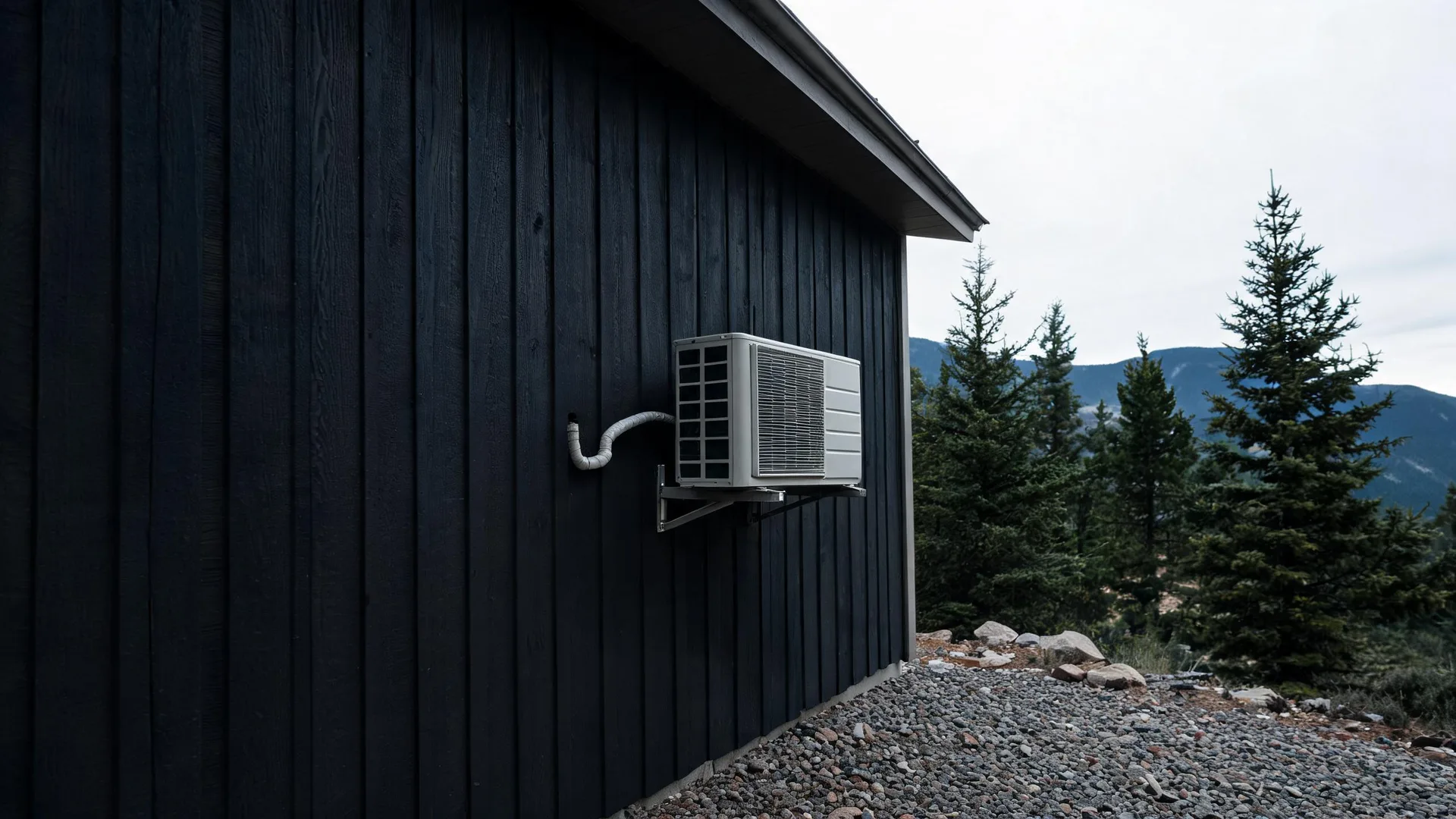
A mini-split compressor in Logan County starts and stops on a tight summer calendar, and every cycle leaves a mark. Homes in Logan County, CO run cooling about three months a year, from June through August. The condenser fan, the contactor, and the refrigerant lines all take their load in that same window, then sit idle through the rest of the year. Faults that develop during the off-season often go unnoticed until the first hot day. A contractor diagnosing a failed unit here checks cycle wear first, because the seasonal pattern concentrates stress on startup components rather than spreading it.
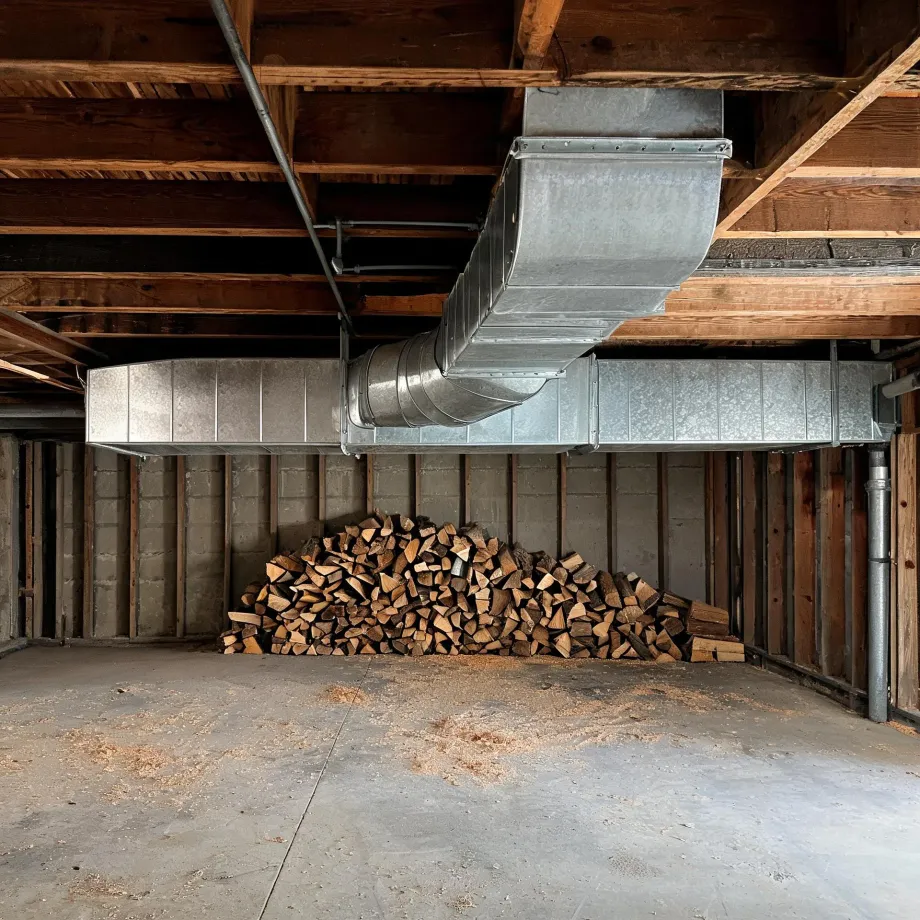
Refrigerant line sets and electrical circuits in houses of this vintage were sized and routed for whatever system the original owner put in, and those choices outlast the equipment by a long margin. Half the homes in Logan County, Colorado were built in 1964 or earlier (2020-2024 ACS 5-year). When a mini-split fails and a contractor opens it, what shapes the repair is often not the unit itself but what feeds it: a circuit that runs undersized or a line set that was adapted rather than replaced when the last system changed. Parts for the current equipment may still be made, but a repair that ignores the supply side fixes the box and leaves the problem.
The Parts of a Mini-split a Contractor Checks First
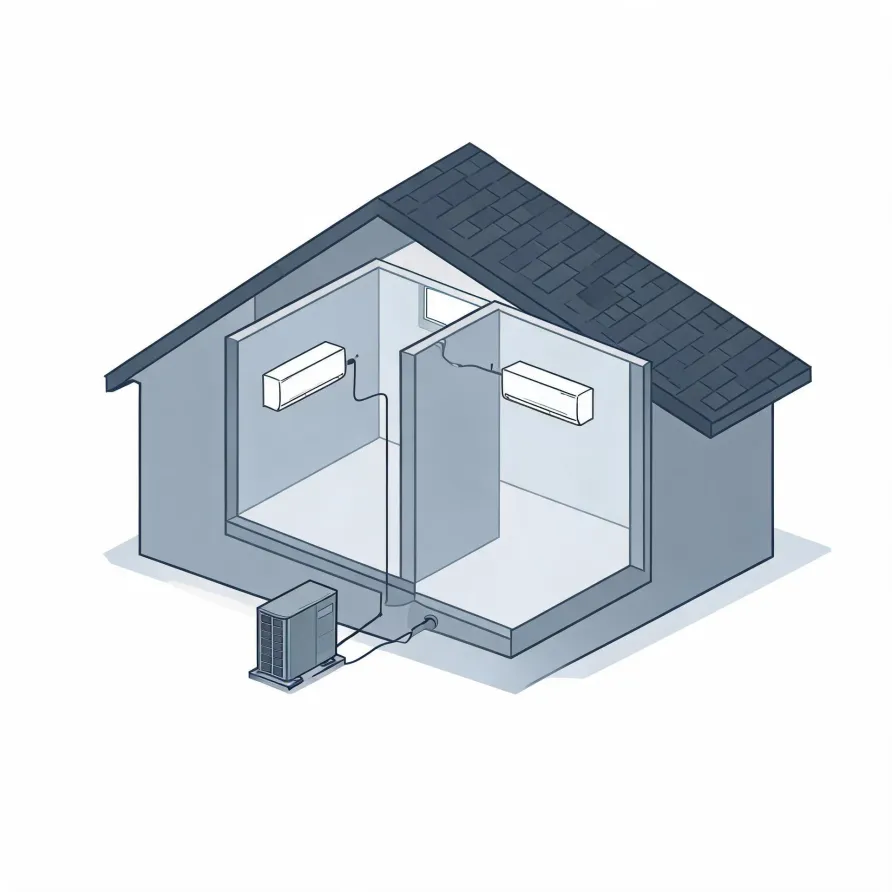
The indoor air handler mounts high on a wall inside the room and is the piece most homeowners notice first. Its fan, evaporator coil, and filter all sit inside that cabinet, and any one of them can be the reason the unit stops cooling, starts freezing up, or throws an error code.
The outdoor condenser unit sits on a pad or bracket outside the house and holds the compressor and condenser coil. A refrigerant line set and a condensate drain line run between the two units through a small opening in the wall, and a contractor checks both the outdoor components and the lines when tracing a fault.
The drawing shows the general layout of a mini-split system, and a licensed contractor determines which parts need attention in your specific home.
Find a contractor in Logan CountyLogan County, Colorado, by the numbers
289 severe weather events were recorded in Logan County, Colorado between 2015 and 2024.
NOAA National Centers for Environmental Information, Storm Events Database, bulk CSV export, events 2015-01-01 through 2024-12-31.Half the homes in Logan County, Colorado were built in 1964 or earlier (2020-2024 ACS 5-year).
U.S. Census Bureau, 2020-2024 American Community Survey 5-Year EstimatesLogan County, Colorado holds 8,741 housing units (2020-2024 ACS 5-year).
U.S. Census Bureau, 2020-2024 American Community Survey 5-Year EstimatesOwners occupy 66.3% of the occupied homes in Logan County, Colorado (2020-2024 ACS 5-year).
U.S. Census Bureau, 2020-2024 American Community Survey 5-Year EstimatesSevere Weather Events in Logan County
Extreme weather puts real hours on heating and cooling equipment. How hard a mini-split works, and how soon its components show wear, is shaped by what the local climate asks of it year after year.
289 severe weather events, 2015–2024. Source: NOAA National Centers for Environmental Information, Storm Events Database.