Tell us about the job
Takes about a minute. No obligation.
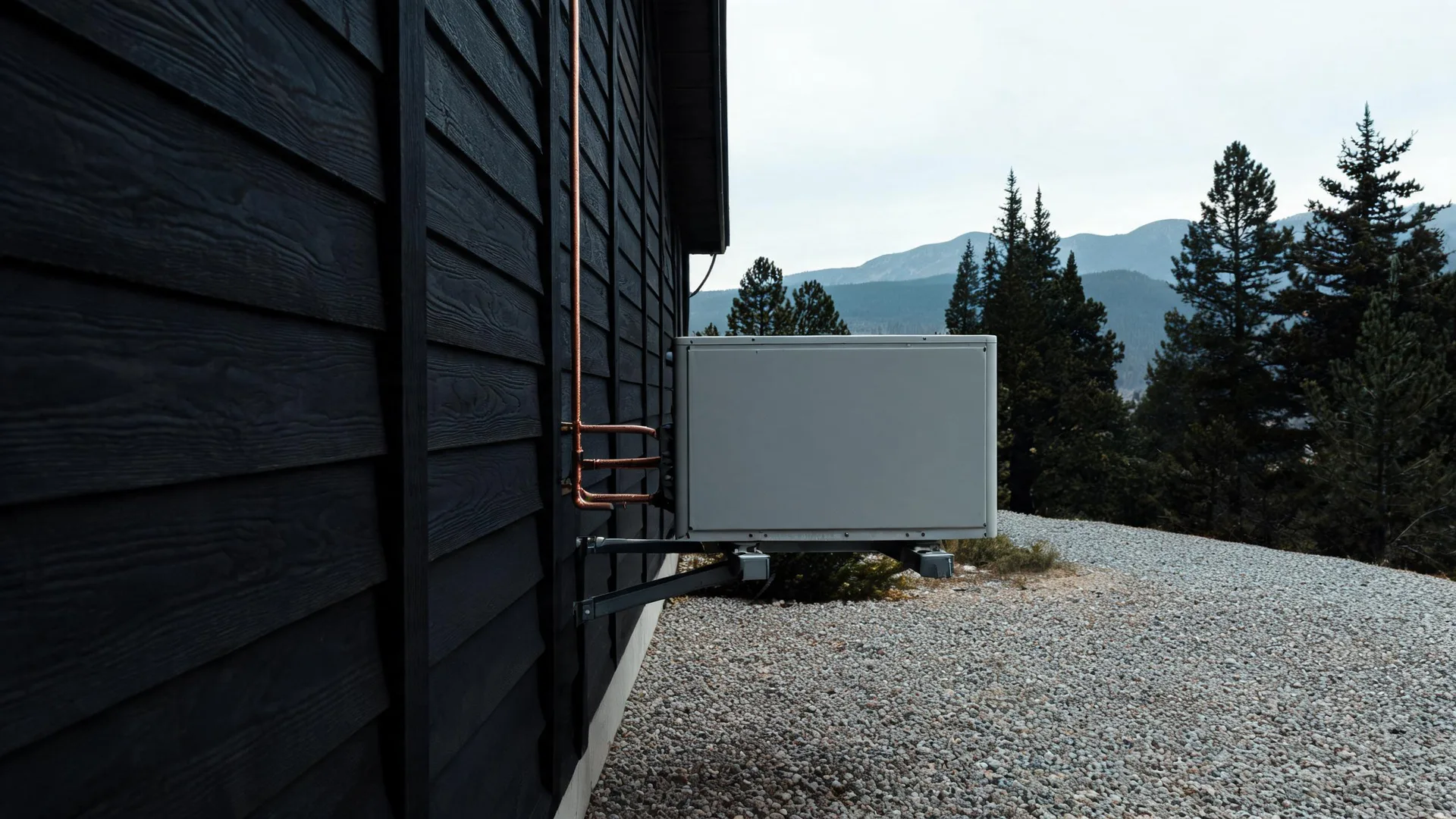
A mini-split running in Boulder County earns its wear on the heating side. Homes in Boulder County, CO have essentially no cooling season — no month of the year is warm enough to call for it. The compressor cycles through winters doing most of the work, while the cooling-side components, the condenser fan, the contactor, the refrigerant circuit under discharge pressure, sit largely idle when temperatures rise. A contractor diagnosing a fault here checks the parts that actually ran: the reversing valve, the defrost board, the heat exchanger surfaces that spent months pulling heat from cold outdoor air. Cooling-side failures do happen, but a technician who jumps to the compressor without accounting for the heating load this unit has already carried will miss the more likely cause.
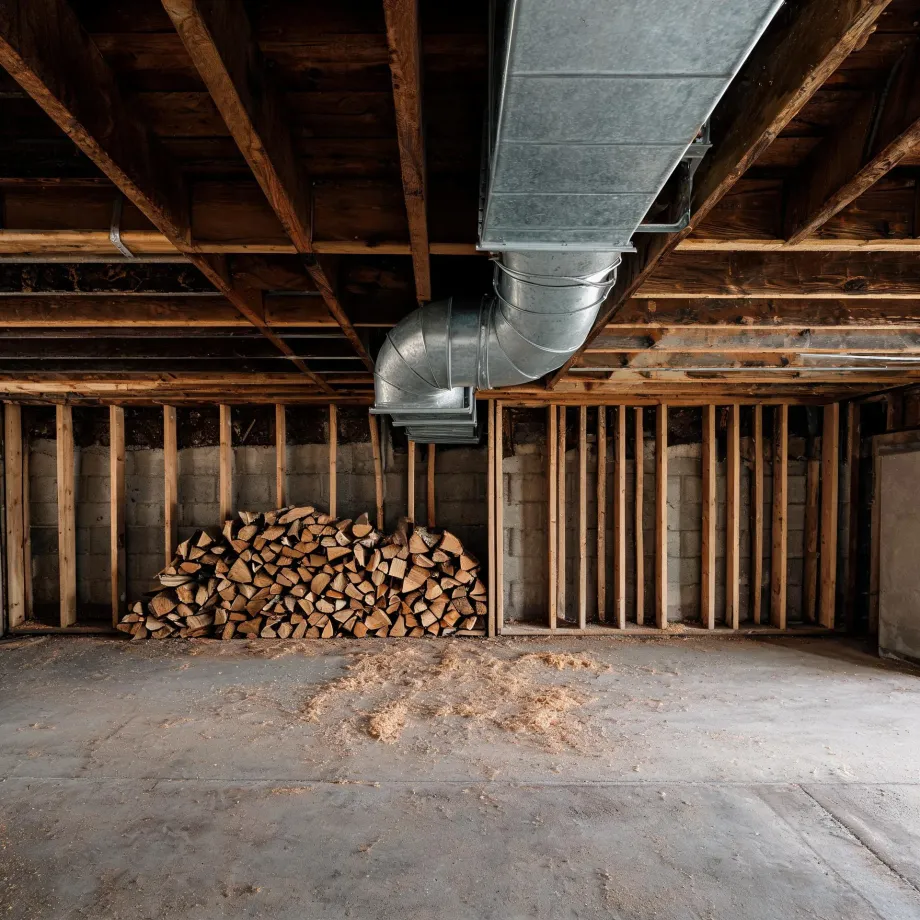
Half the homes in Boulder County, Colorado were built in 1986 or earlier (2020-2024 ACS 5-year). A house that old was likely carrying different equipment entirely when a mini-split was first added to it, which means the system a contractor opens today was retrofitted into conditions it was not designed for. What that produces, inside the unit, is wear patterns tied to how the installation was adapted: line sets run longer than ideal, drainage pitched to fit an existing wall, electrical feeds pulled from circuits that were already doing other work. When a refrigerant leak or a failed board brings a technician out, the repair scope depends on what those conditions have done to the internal components, and whether the parts that system takes are still being made.
The Parts of a Mini-split a Contractor Checks First
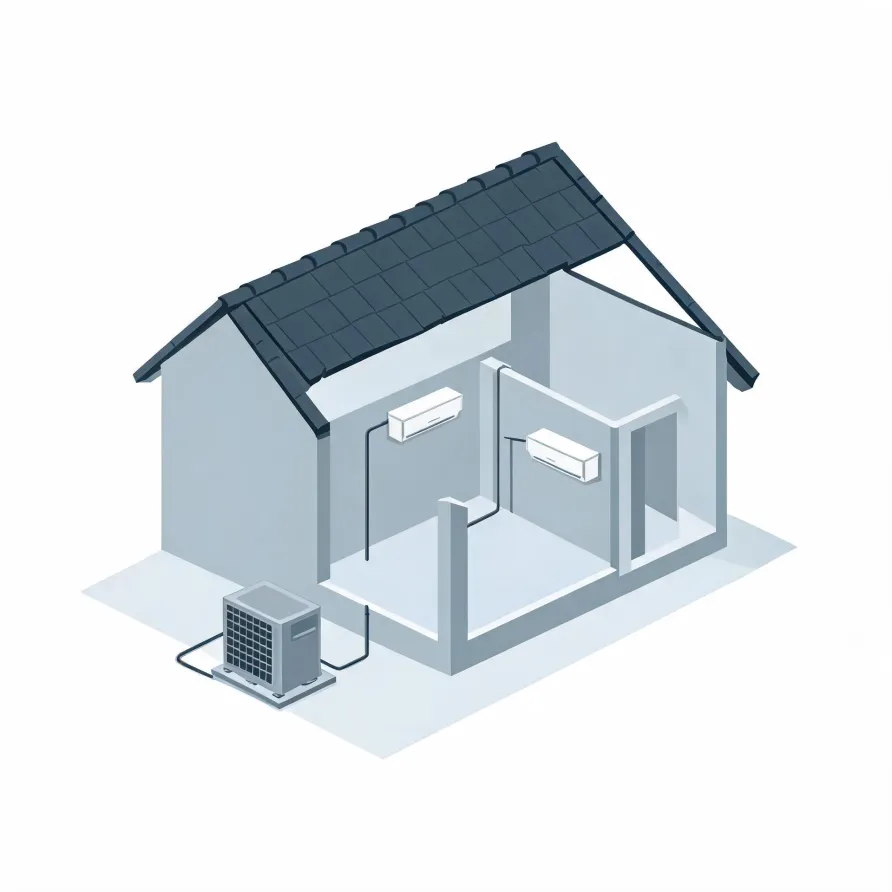
The indoor air handler mounts high on an interior wall and is the piece most homeowners notice first. It pulls room air across the evaporator coil and blows conditioned air back out. When this unit is the problem, the signs show up as weak airflow, ice on the coil, or air that never reaches the set temperature.
The outdoor condenser unit sits on a pad or bracket outside the house and holds the compressor and condenser coil. A refrigerant line set and a power and communication cable run through the wall to connect the two units. The expansion valve and refrigerant lines are common suspects when one zone loses capacity while the other holds steady.
The drawing shows the general layout of a mini-split system, and a licensed contractor determines which components and conditions apply to your specific home.
Get matched in Boulder CountyBoulder County by the numbers
408 severe weather events were recorded in Boulder County, Colorado between 2015 and 2024.
NOAA National Centers for Environmental Information, Storm Events Database, bulk CSV export, events 2015-01-01 through 2024-12-31.Half the homes in Boulder County, Colorado were built in 1986 or earlier (2020-2024 ACS 5-year).
U.S. Census Bureau, 2020-2024 American Community Survey 5-Year EstimatesBoulder County, Colorado holds 144,729 housing units (2020-2024 ACS 5-year).
U.S. Census Bureau, 2020-2024 American Community Survey 5-Year EstimatesOwners occupy 62.0% of the occupied homes in Boulder County, Colorado (2020-2024 ACS 5-year).
U.S. Census Bureau, 2020-2024 American Community Survey 5-Year EstimatesSevere Weather Events in Boulder County
Boulder County's climate puts real pressure on heating and cooling equipment, and that pressure compounds over time. A mini-split running hard through weather extremes is a mini-split that needs service.
408 severe weather events, 2015–2024. Source: NOAA National Centers for Environmental Information, Storm Events Database.