Tell us about the job
Takes about a minute. No obligation.
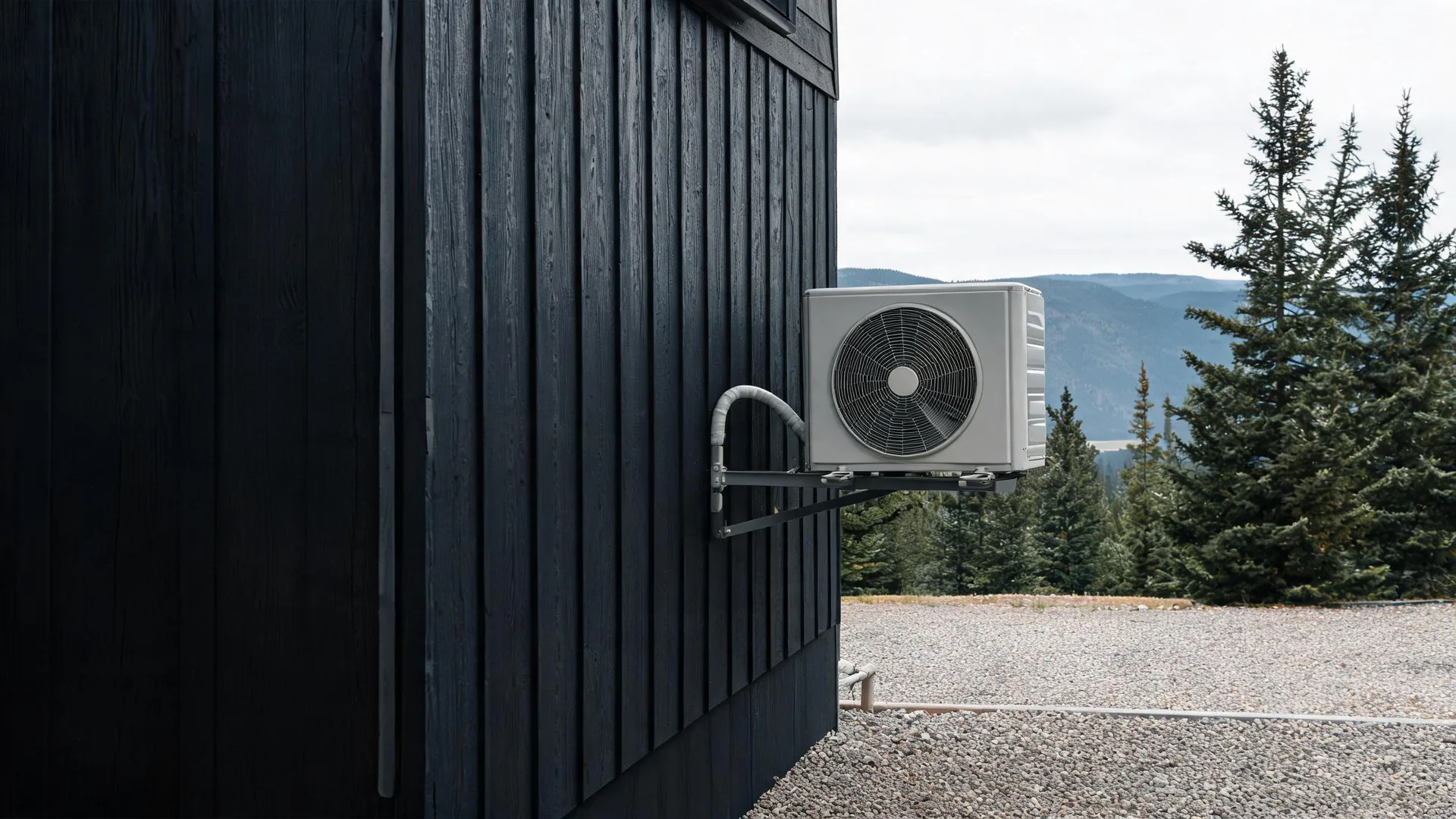
Sizing a mini-split here is a heating-only problem. Homes in Archuleta County, CO have essentially no cooling season — no month of the year is warm enough to call for it. The compressor never cycles to cool, so the refrigerant circuit, the coil, and the outdoor fan accumulate no cooling-season wear, but the heating side carries the full annual load. A contractor quoting this job has to establish the heating demand precisely, because no summer runtime offsets a unit that runs lean through a hard winter. Get that calculation wrong and the system either short-cycles or runs continuously at its limit, and the stress shows in the heat exchanger first.
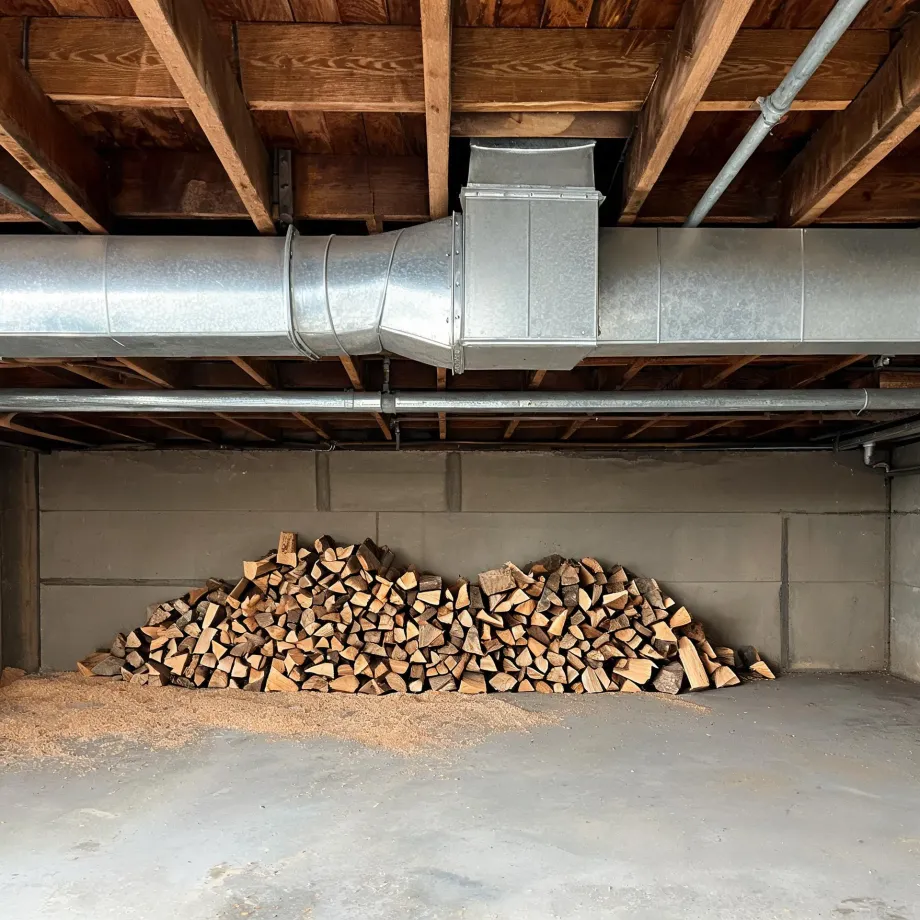
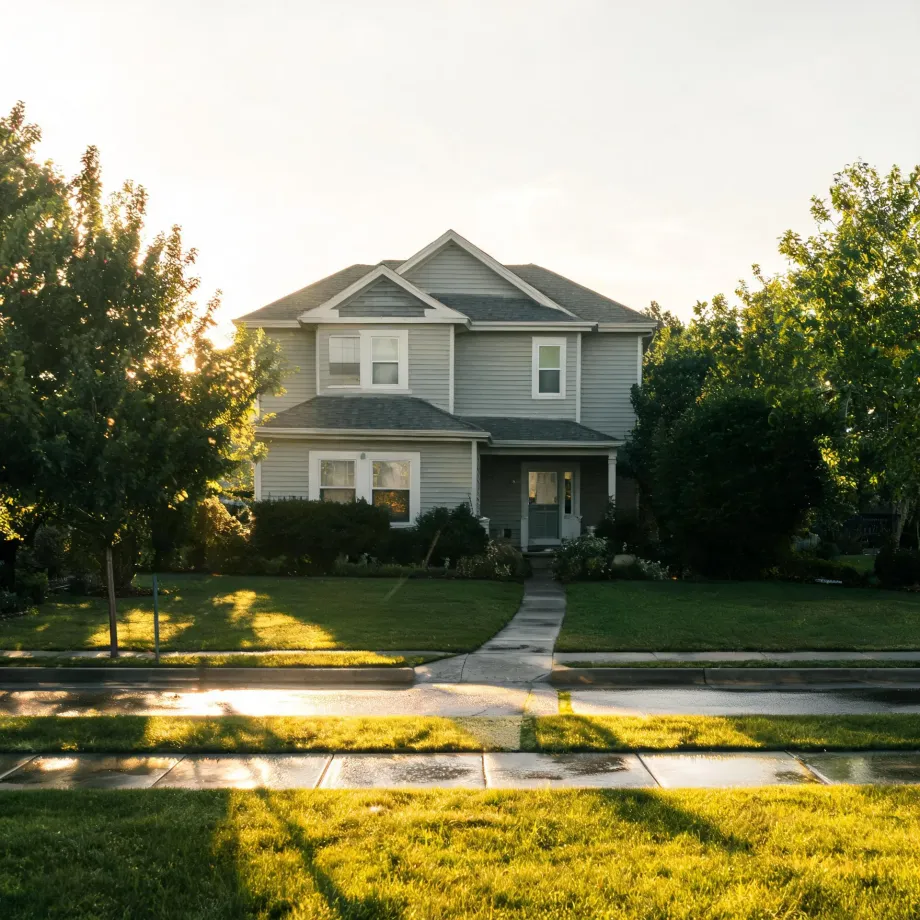
Older electrical panels are the first thing a contractor checks before sizing a mini-split here. Half the homes in Archuleta County, Colorado were built in 1996 or earlier (2020-2024 ACS 5-year). Houses built through that period were wired for loads that predate inverter-driven compressors, and what looked like adequate service capacity for the original equipment may not clear what a new unit pulls at peak. The ductwork question matters too, though mini-splits sidestep most of it. The panel does not.
What a Mini-split Looks Like Once It's In
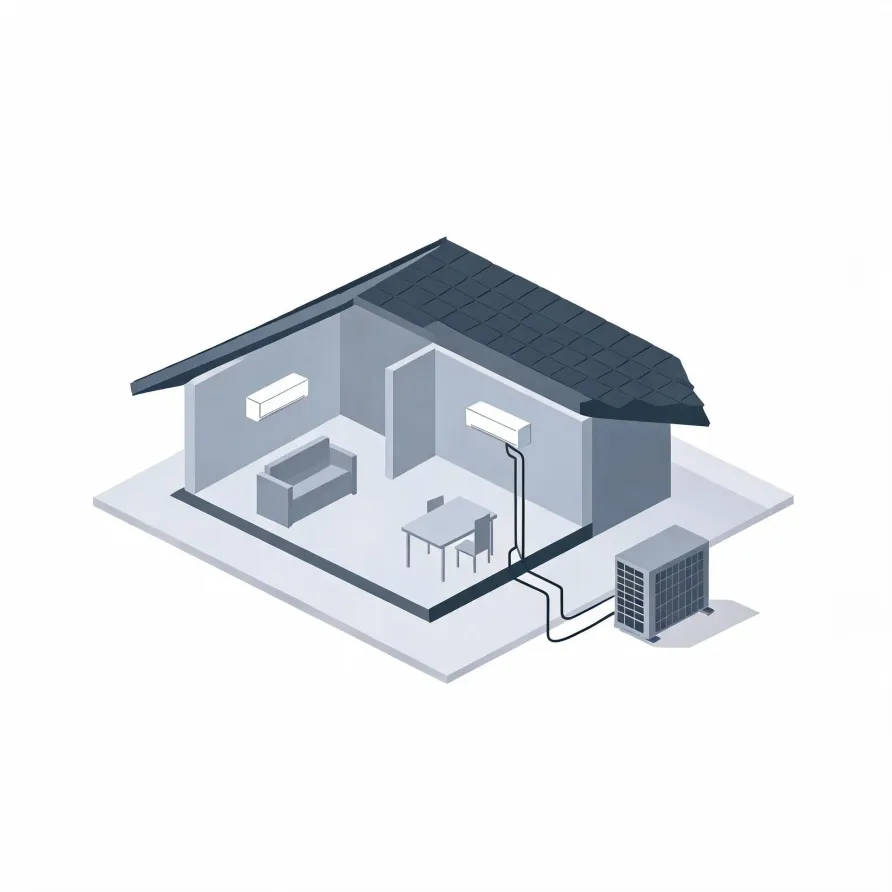
The indoor air handler mounts high on an interior wall, inside the room you want conditioned. That is the unit a homeowner sees every day. The outdoor condenser sits on the ground or on a bracket outside the house, and it carries the compressor and the fan that do the system's heavy lifting.
A refrigerant line set runs between the two units through a small hole in the wall, bundled alongside a condensate drain line and the electrical wiring that ties the system together. A wall-mounted thermostat or a handheld remote rounds out what a contractor puts in place.
The drawing here shows a typical layout, and a licensed contractor determines exactly how each piece fits into your home.
Get matched in Archuleta CountyArchuleta County, by the numbers
133 severe weather events were recorded in Archuleta County, Colorado between 2015 and 2024.
NOAA National Centers for Environmental Information, Storm Events Database, bulk CSV export, events 2015-01-01 through 2024-12-31.Half the homes in Archuleta County, Colorado were built in 1996 or earlier (2020-2024 ACS 5-year).
U.S. Census Bureau, 2020-2024 American Community Survey 5-Year EstimatesArchuleta County, Colorado holds 9,858 housing units (2020-2024 ACS 5-year).
U.S. Census Bureau, 2020-2024 American Community Survey 5-Year EstimatesOwners occupy 80.1% of the occupied homes in Archuleta County, Colorado (2020-2024 ACS 5-year).
U.S. Census Bureau, 2020-2024 American Community Survey 5-Year EstimatesSevere Weather Events in Archuleta County
Archuleta County's climate puts real demands on heating and cooling equipment, and those demands are shaped by how often conditions turn extreme. A mini-split sized and installed for local weather conditions handles that load differently than one specified from a catalog.
133 severe weather events, 2015–2024. Source: NOAA National Centers for Environmental Information, Storm Events Database.