Tell us about the job
Takes about a minute. No obligation.

For a mini-split in Denver County, sizing and charge accuracy are the decisions that determine how the system performs over its life. Homes in Denver County, CO run cooling about two months a year, from July through August. A compressor that cycles through a brief cooling season accumulates little mechanical wear, so the failures a contractor finds years later are almost always traced back to the original install: an undercharged system that ran warm, a head unit placed where return air was blocked, or linesets cut too long for the outdoor unit to move refrigerant cleanly. A contractor quoting a new install here has to get the load calculation right before anything else, because the short season means the equipment will not reveal a sizing error quickly.
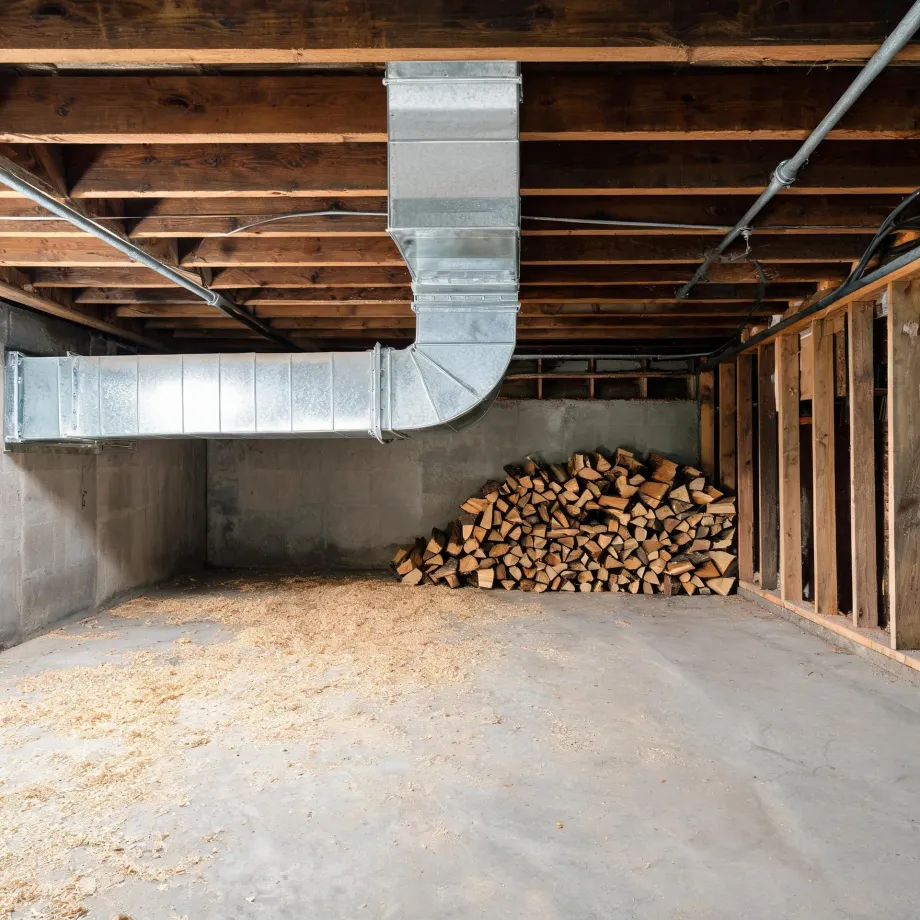
Older panels in Denver County's housing stock were sized for loads that predate the equipment now being installed in them. Half the homes in Denver County, Colorado were built in 1975 or earlier (2020-2024 ACS 5-year). A mini-split pulls a draw that houses of this vintage were not wired to expect, so the electrical panel is where a contractor starts, before the unit is selected or the mounting locations are decided. Ductwork is not a factor with a mini-split, but the service panel often is, and in stock like this it is frequently the line that determines whether the job is straightforward or carries an upgrade.
What a Mini-split Installation Puts in Your Home
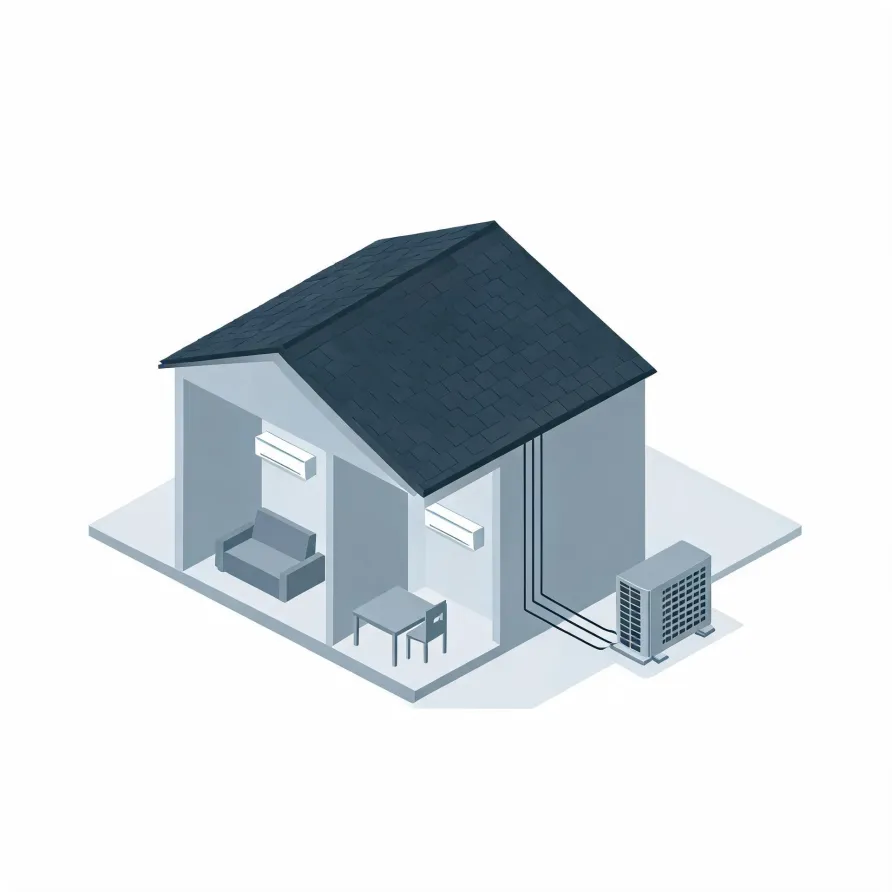
The indoor air handler mounts high on an interior wall, inside the room being conditioned, and moves air across the space. The outdoor unit sits on the ground or a pad outside the home and houses the compressor and condenser coil. Each indoor unit is paired to that outdoor unit, and together they form one system.
A set of refrigerant lines runs through a small opening in the wall, connecting the indoor and outdoor units and carrying the working fluid between them. A condensate drain line also exits the indoor unit, routing moisture out of the room. A dedicated electrical line feeds the outdoor unit directly.
The drawing shows a typical layout, and a licensed contractor determines exactly how each piece is positioned and routed for your house.
Find a contractor in Denver CountyDenver County, by the numbers
243 severe weather events were recorded in Denver County, Colorado between 2015 and 2024.
NOAA National Centers for Environmental Information, Storm Events Database, bulk CSV export, events 2015-01-01 through 2024-12-31.Half the homes in Denver County, Colorado were built in 1975 or earlier (2020-2024 ACS 5-year).
U.S. Census Bureau, 2020-2024 American Community Survey 5-Year EstimatesDenver County, Colorado holds 359,581 housing units (2020-2024 ACS 5-year).
U.S. Census Bureau, 2020-2024 American Community Survey 5-Year EstimatesOwners occupy 48.8% of the occupied homes in Denver County, Colorado (2020-2024 ACS 5-year).
U.S. Census Bureau, 2020-2024 American Community Survey 5-Year EstimatesSevere Weather Events in Denver County
Denver's climate puts real demand on heating and cooling equipment year-round. How much weather stress a mini-split handles shapes what a contractor specifies and how the system is installed.
243 severe weather events, 2015–2024. Source: NOAA National Centers for Environmental Information, Storm Events Database.