Tell us about the job
Takes about a minute. No obligation.
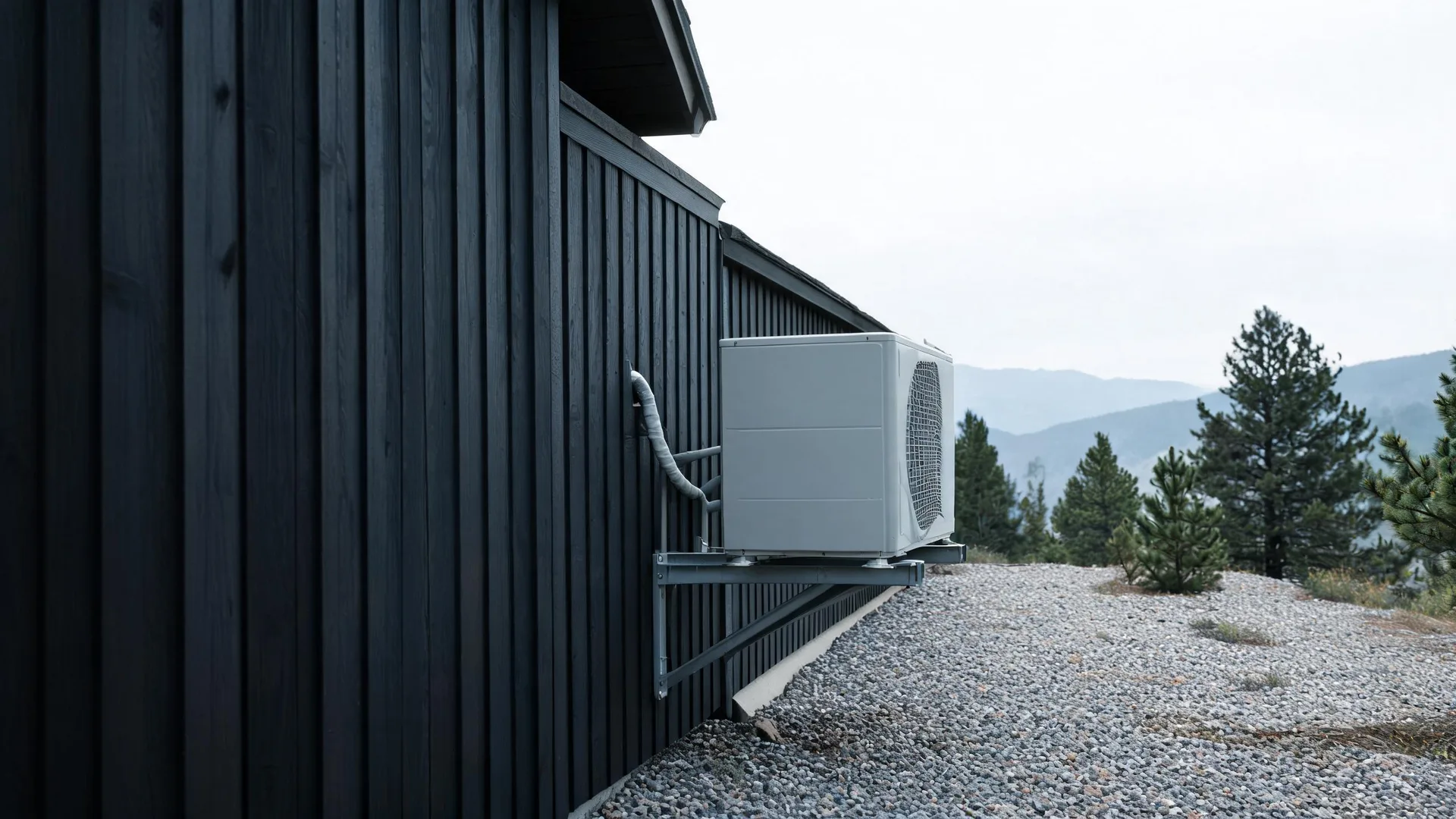
A mini-split compressor in this part of Colorado works a short, defined stretch of the year and then sits idle. Homes in Washington County, CO run cooling about three months a year, from June through August. The compressor, the condenser fan, and the contactor stay cold through the long off-season, which means faults from a poor installation, a loose connection, or an undersized unit can stay hidden until the first hot day anyone turns the system on. A contractor sizing and quoting a new install here has to account for that idle time in how they commission the unit, because startup stress on a system that has sat dormant is where a sloppy install first shows itself.
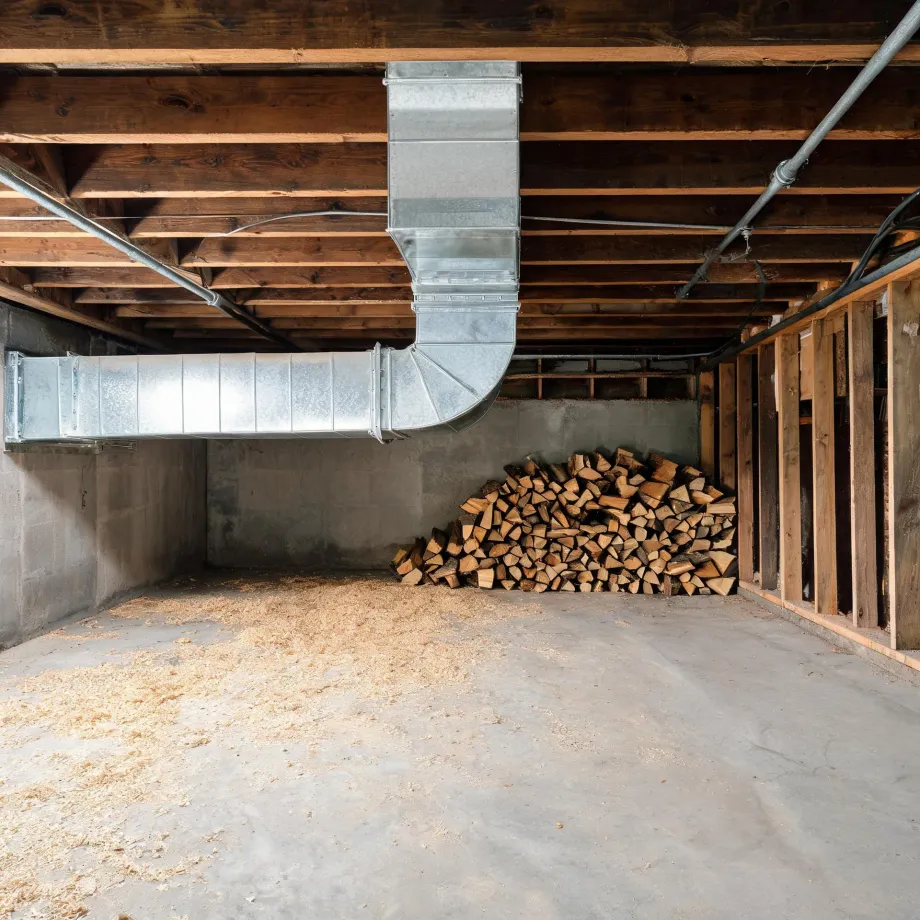
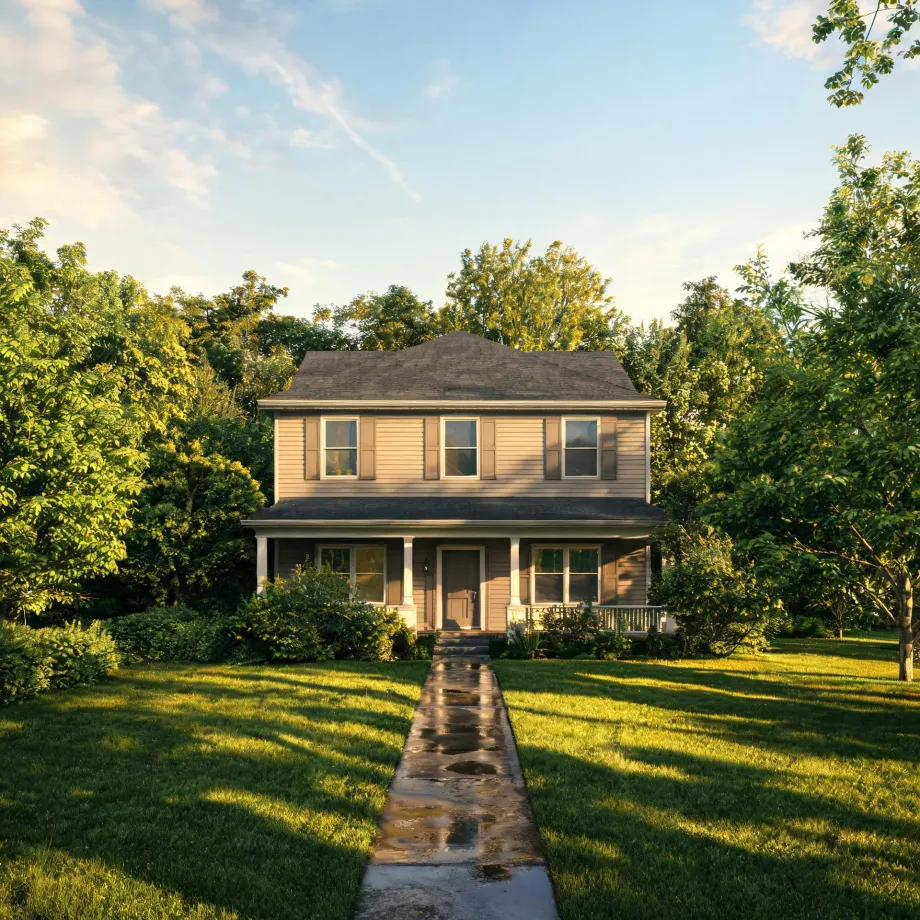
Electrical service is what decides how a mini-split job is scoped here, and the house usually has a say before the equipment does. Half the homes in Washington County, Colorado were built in 1958 or earlier (2020-2024 ACS 5-year). A contractor sizing a new unit checks what the panel was built to carry, because service that was adequate for the original system can fall short of what a modern mini-split draws. If the panel cannot handle the new load, the electrical work goes on the quote before the equipment does.
What a Mini-split Installation Puts in Your Home
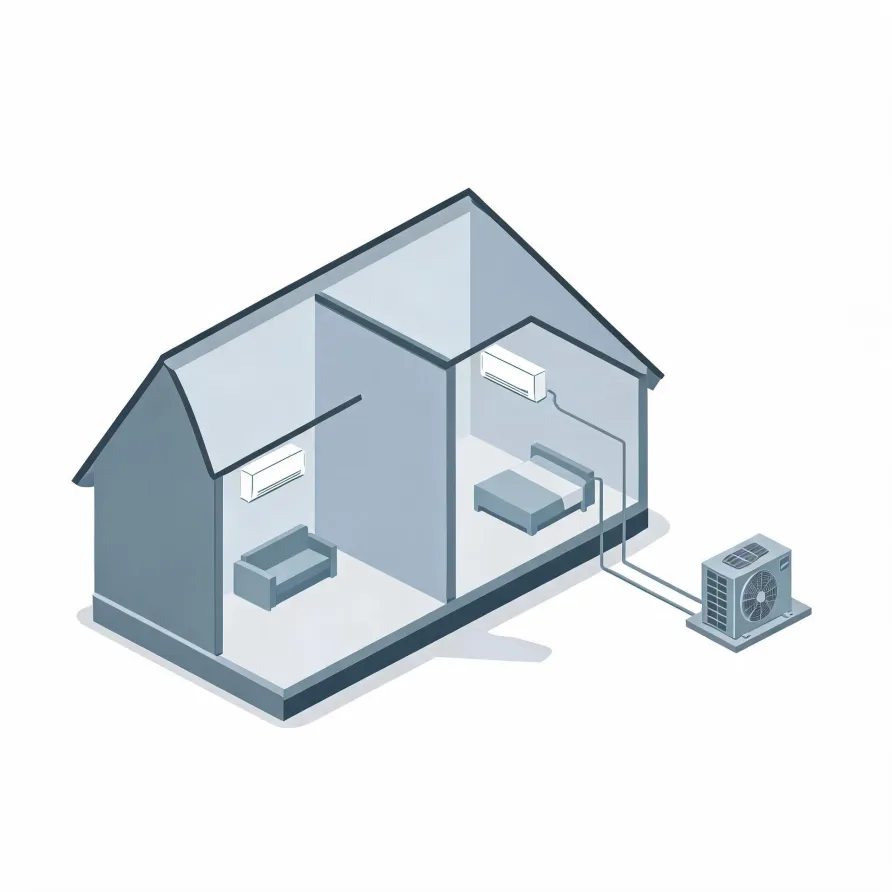
The indoor air handler mounts high on an interior wall inside the room being conditioned, which is where most homeowners notice the system first. It pulls room air across a coil and pushes conditioned air back out. Each room or zone served by the system gets its own unit.
The outdoor condenser unit sits on a pad or bracket outside the house and houses the compressor and the second coil. A refrigerant line set and a control cable run through a small opening in the wall to connect the two units, and a condensate drain line carries moisture away from the indoor handler.
The drawing shows a representative layout, and a licensed contractor determines exactly what applies to your home.
Get matched in Washington CountyWashington County, Colorado, by the numbers
350 severe weather events were recorded in Washington County, Colorado between 2015 and 2024.
NOAA National Centers for Environmental Information, Storm Events Database, bulk CSV export, events 2015-01-01 through 2024-12-31.Half the homes in Washington County, Colorado were built in 1958 or earlier (2020-2024 ACS 5-year).
U.S. Census Bureau, 2020-2024 American Community Survey 5-Year EstimatesWashington County, Colorado holds 2,287 housing units (2020-2024 ACS 5-year).
U.S. Census Bureau, 2020-2024 American Community Survey 5-Year EstimatesOwners occupy 73.6% of the occupied homes in Washington County, Colorado (2020-2024 ACS 5-year).
U.S. Census Bureau, 2020-2024 American Community Survey 5-Year EstimatesSevere Weather Events in Washington County
Heating and cooling equipment in Washington County works against whatever the local climate puts out, and that load shapes what gets installed and how it gets sized. A mini-split that handles the real range of conditions here is a different piece of equipment than one spec'd for a milder place.
350 severe weather events, 2015–2024. Source: NOAA National Centers for Environmental Information, Storm Events Database.