

Does a mini split lower heating bills in Colorado

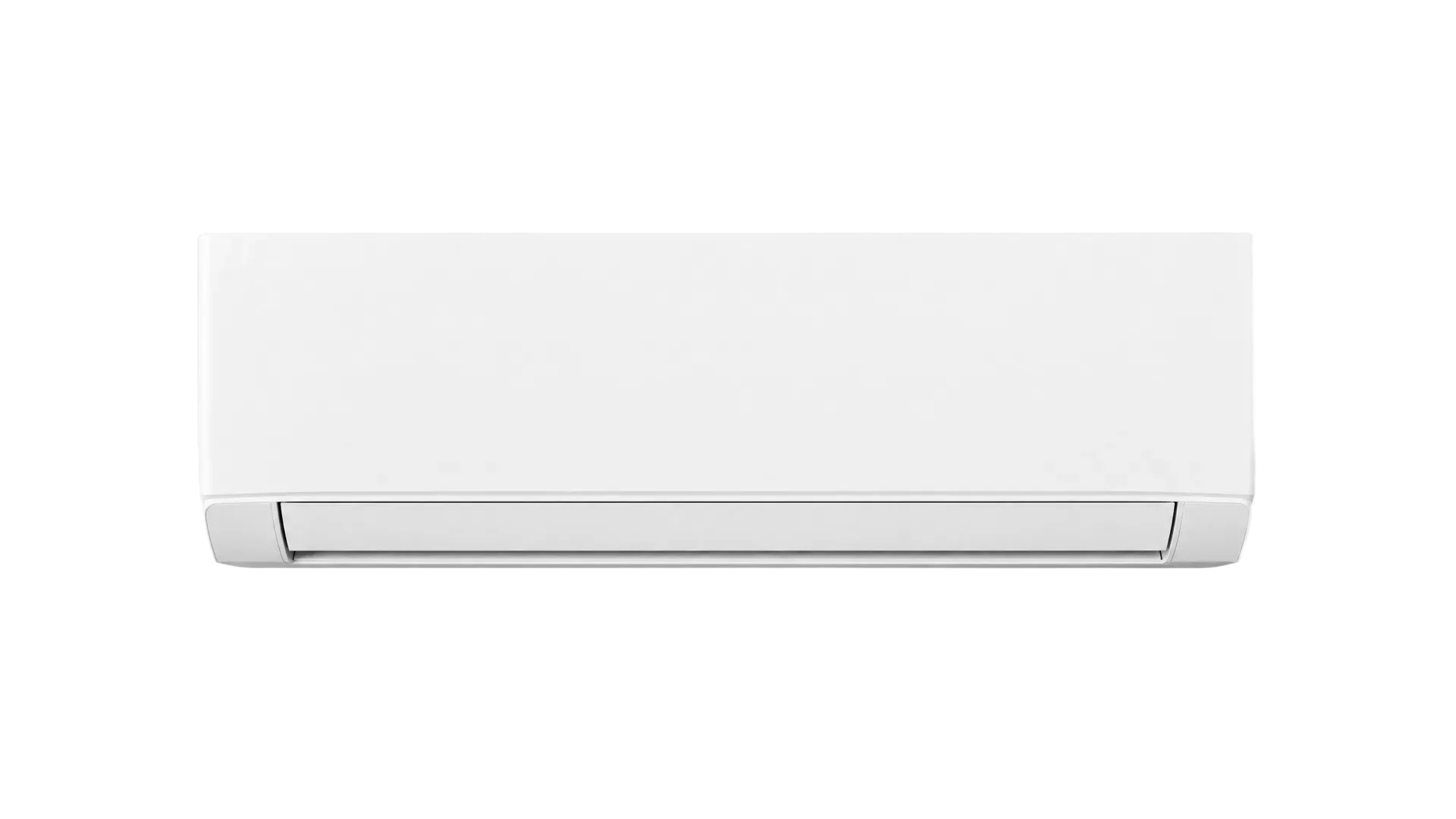
A white wall-mounted mini-split air conditioner indoor unit shown straight-on against a plain light gray background.
Connect with a pro

A mini split can lower your heating bill if it's replacing electric resistance heat or an old propane setup, but most homes in Colorado heat with gas, and gas is usually the cheaper fuel to run. A mini split works by moving heat instead of generating it, which makes it efficient, but on the coldest nights here its output drops and it has to work harder to keep up. Where it helps most is as backup for the shoulder months, spring and fall, when running the gas furnace for small amounts of heat wastes fuel. Used that way, alongside your furnace rather than instead of it, a mini split can bring the bill down. Used as your only heat source through a full Colorado winter, it likely won't beat gas on cost. The answer depends on what you're replacing and how you run it.

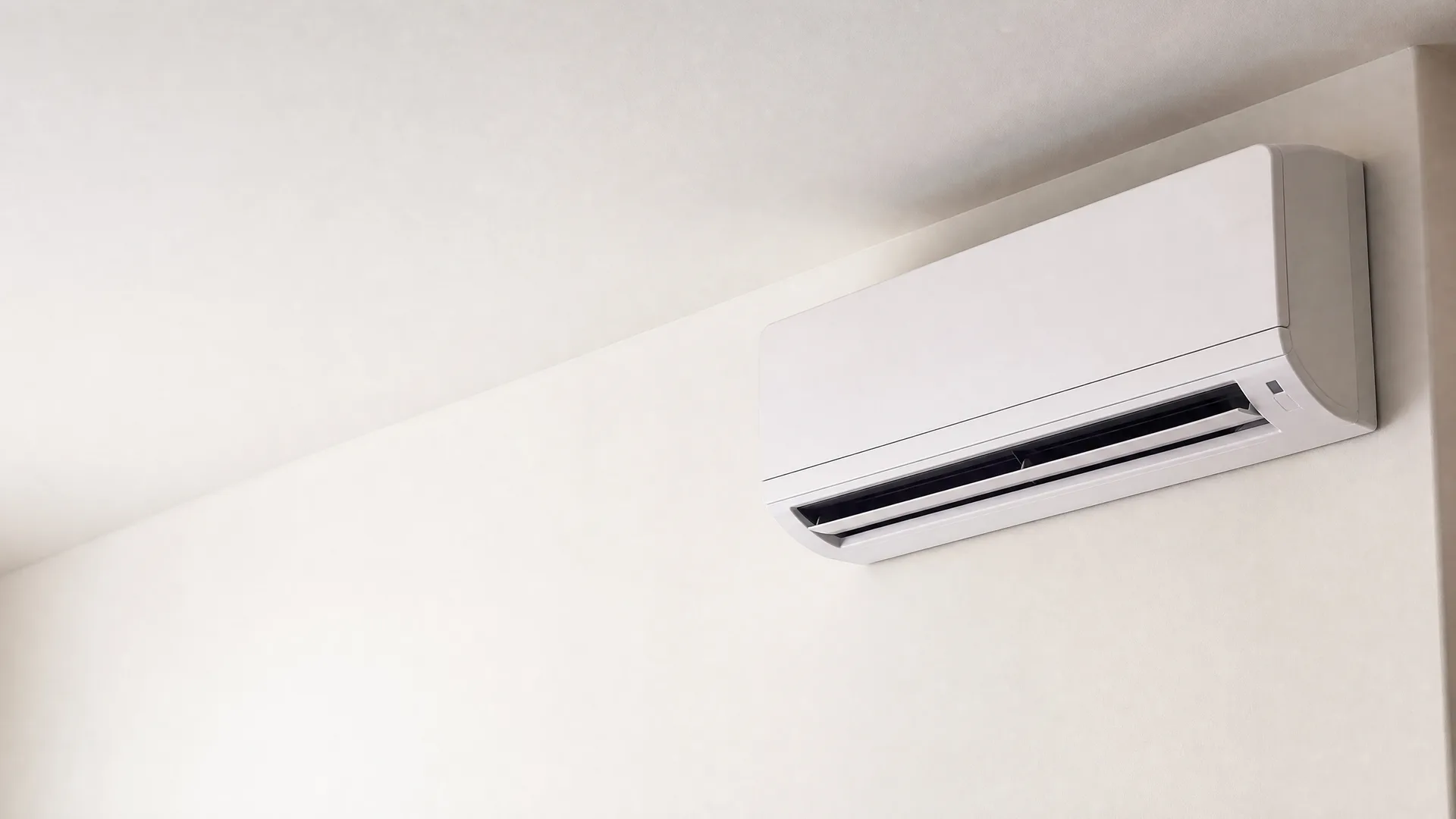
A wall-mounted mini-split air conditioner indoor unit with a discolored cream plastic casing and dusty outlet vanes, installed high on a plain light-colored interior wall near the ceiling.
Before you get your mini split installation
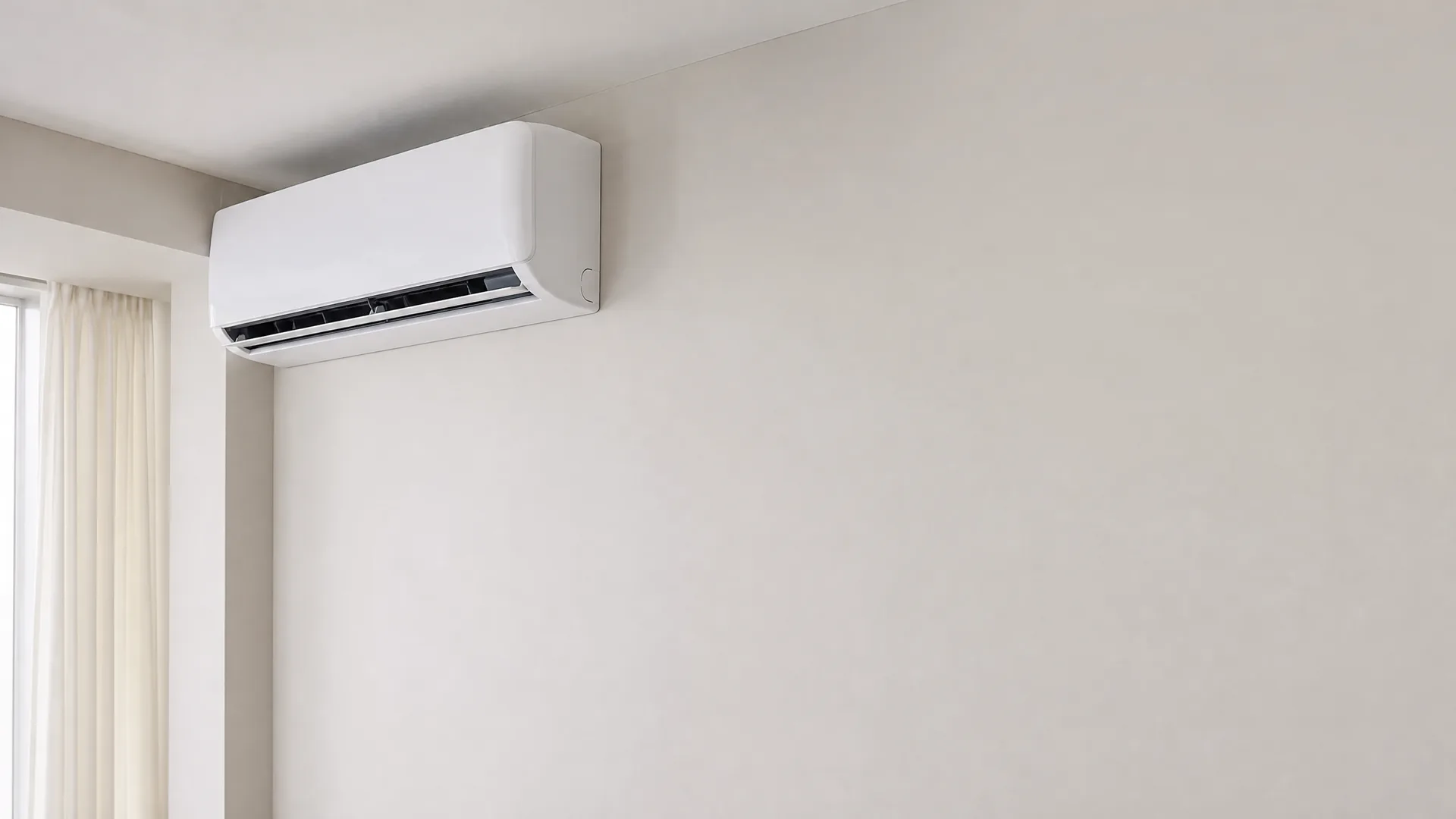
A white wall-mounted mini-split air conditioner installed high on a beige interior wall near the ceiling molding, with a light curtain and curtain rod at the left edge.
After you get your mini split installation

Why it still has a place

A mini split earns its keep in Colorado by handling the mild months without touching your gas furnace at all. Through the stretches in fall and spring when it's cold enough to want heat but not cold enough to work the furnace hard, the mini split can carry that load on its own. Below a certain outdoor temperature, a heat pump's output drops off and it leans harder on backup heat strips to keep up. That's the point where it stops being the cheaper choice and your gas furnace should take over.


What changes your summer bill

Colorado summers are hot and dry, and a mini split cools the same way a central AC does, by moving heat out of the house rather than making cold air. The difference is it cools room by room instead of the whole house at once. If you're only cooling the rooms you use during the day, that can mean less total cooling than running central air to condition every room. How much that shows up on your bill depends on how you use it, not just that you have one.

A gray-haired bearded man in a dark coat and scarf dusted with snow stands smiling in a dimly lit entryway with a white front door, a side table with a lit lamp, an oval mirror, and a patterned rug.
An older bearded man in a dark snow-dusted coat and gray scarf stands just inside a dimly lit home entry, with a framed picture, lit table lamp, and an adjoining room with a fireplace behind him, and snow visible through the open door.
A gray-haired, bearded man in a dark snow-dusted coat stands smiling in a dimly lit entry hall with a staircase, a lit table lamp, a framed picture, and a living room visible through a doorway.
An older man with gray hair and a beard, wearing a dark jacket dusted with snow, stands smiling in a dimly lit hallway with lamps and a living room visible behind him.

A mini split doesn't burn anything to make heat. The outdoor unit has a compressor and a reversing valve, and those two parts pull warmth out of the air outside, even air that feels plenty cold, and move it inside. Most cold-climate models can still do this down to somewhere around 0 to 5 degrees. Below that, the unit can't pull enough heat fast enough, and your gas furnace needs to take over. That's the natural split in how the two work together here. Since there's no pilot light or gas line involved, the unit draws power for as long as it runs, not fuel. Inside, the head puts out air that's lower and steadier than what comes out of a furnace vent, so it cycles on more often to keep the room where you want it. Getting the size right for the room matters more than people expect. Too small and it can't keep up on cold mornings. Too big and it short-cycles instead of running at a steady pace.

How a mini split moves heat

  • A mini split pulls heat out of outside air even when that air feels cold, down to somewhere around 0 to 5 degrees for most cold-climate models.
  • Below that point the unit's output drops off and your gas furnace has to carry the load, which is why pairing the two makes sense here.
  • The outdoor unit runs a compressor and reversing valve, the same parts that let it switch between heating and cooling without a backup heat strip.
  • A mini split has no pilot light and no gas line, so it draws power the whole time it runs rather than burning fuel.
  • Sizing one wrong for the room it heats either leaves it short on cold mornings or makes it short-cycle instead of running steady.
  • The indoor head blows air at a lower, steadier temperature than a furnace vent, so it's working more often to hold the room.
A white wall-mounted mini-split air conditioner unit installed high on a light gray interior wall near the ceiling, with a white-framed window and green foliage visible at the left edge.
A clean mini split pulls heat efficiently and keeps your gas furnace from kicking on during those shoulder-season days.
A dusty white wall-mounted mini-split air conditioner installed high on a beige interior wall below a molded ceiling trim.
A clogged filter or dirty coil makes the unit work harder for less heat, and your furnace ends up picking up the slack.
  1. The thermostat calls for heat and signals the indoor head.

  2. The compressor in the outdoor unit starts pulling in refrigerant gas.

  3. That refrigerant absorbs heat from the outside air, even when it's cold.

  4. The compressor pressurizes the gas, raising its temperature further.

A woman wrapped in a thick beige fleece blanket sits on a sofa with an open book on her lap, beside a lit table lamp, with a frost-covered window behind her.
An older woman with gray hair in a bun and glasses, wearing a beige knit sweater, smiles while looking to the side in a warmly lit kitchen, with a loaf of bread on the counter in the foreground and a snowy scene outside the window.
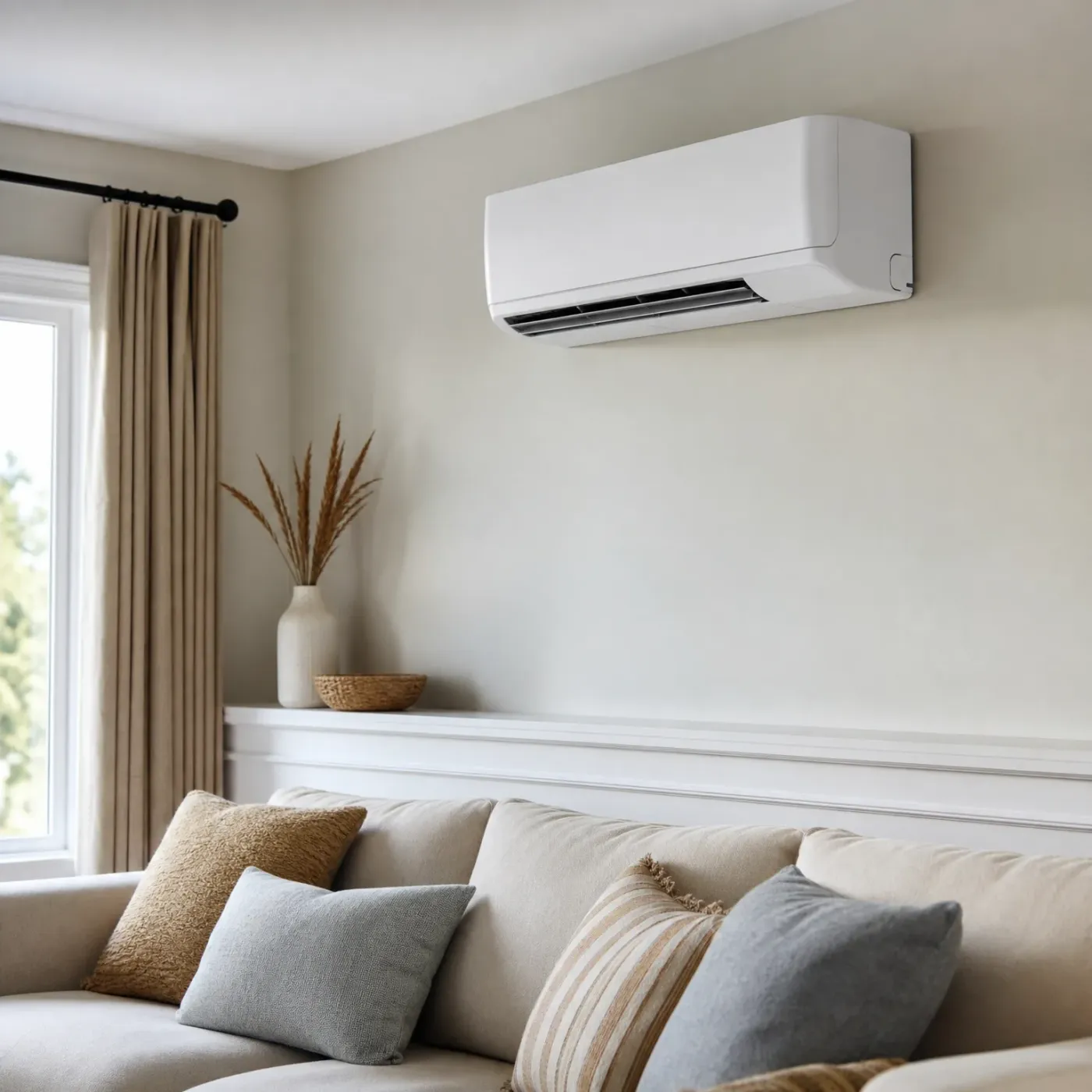
A white wall-mounted mini-split air conditioner on a pale wall above a beige sofa with assorted cushions, beside a window with long curtains and a shelf holding a vase of dried grasses and a woven bowl.

The right pro for this job

Send the form and stop researching installers for the new mini split.

A local pro who knows mini splits gets your details and gets in touch.

Find a pro near me

No charge to send it. You decide if you hire them.

Is your mini split actually running during a Colorado winter

Go look at the outdoor unit on a cold morning. If the fan isn't turning and no air is coming off it, it's sitting idle while your furnace does all the work, which is normal once temperatures drop low enough. If it is running, check the indoor head for frost building up on the coil behind the grille, or listen for it cycling on and off every few minutes instead of running steady. A unit short-cycling or icing over isn't heating efficiently, and it's drawing power without giving much back. Over a winter, that shows up as a higher electric bill with nothing to show for it, and left alone, the strain can shorten the life of the compressor.

A white wall-mounted mini-split air conditioner installed near the ceiling on a light-colored interior wall, with a window and green foliage visible at the left edge.

What a clean unit looks like

The vents and intake grille stay open so air moves freely through the coil. That's what keeps a mini split pulling heat efficiently on a cold Colorado morning, and keeps it from quietly losing ground to the thermostat.

A dusty white wall-mounted mini-split air conditioner indoor unit installed high on a beige interior wall below a white ceiling and trim.

What dust buildup does to it

Dust and grime along the vents and lower intake grille choke off airflow before it reaches the coil. The unit has to run longer to move the same amount of heat, and your gas furnace picks up whatever it can't deliver.

Power costs 15.69 cents per kilowatt-hour statewide

At 15.69 cents per kilowatt-hour, running your mini split isn't expensive on its own. What decides your bill is how much of your heating load it actually carries versus your gas furnace, since gas is the cheaper fuel most months here.

EIA-861 2025 statewide residential average

A white wall-mounted mini-split air conditioner near the ceiling of a room with plain beige walls and a pale curtain at the left edge.

When a mini split earns its keep

A mini split makes sense alongside a gas furnace in a Colorado home that already runs the furnace hard every winter and wants the thermostat left alone less often in October or April. It covers the shoulder months well, so the furnace sees less use during the weeks that aren't quite cold enough to justify it. If you're adding one to a house with no other heat source, or replacing electric baseboard, it can carry real weight on the bill instead of just supplementing a furnace that was already cheap to run.

A white wall-mounted mini-split air conditioner indoor unit installed near the ceiling on a plain off-white interior wall.

When it won't move the needle

A mini split added to a home that already heats well with gas and has a furnace in good shape won't cut much off the bill. Gas stays the cheaper fuel to run most of the winter here, and the furnace will keep carrying the bulk of the load once temperatures drop past what the mini split handles well. In that case the mini split is comfort and zoning, not savings. It's worth being honest about which situation yours is before expecting a lower bill from it.

A smiling man in a denim shirt and white t-shirt stands in an open dark doorway of a stucco house, facing a woman with long brown hair and a green jacket seen from behind in the foreground.

So does it lower your heating bill

Mostly no, if you're comparing it to the gas furnace that's probably already running your house. Gas is the cheaper fuel here most months, and a mini split working alone against a Colorado winter will lose that math. Where it helps is at the edges, carrying October and April so the furnace stays off, and that's a real saving even if it's a small one next to your total bill.

Whether that's worth it depends on specifics a page like this can't see: how your current system is holding up, where you'd put the outdoor unit, what your walls and ducts are doing with the heat you already pay for. A contractor who's looked at the house can tell you that in a way no article can. If you want that answer for your own place, the next step is getting matched with someone who installs these in Colorado homes and having them reach out to walk through it with you.

Interior corner of a room with a window and sheer curtain at left, a gray upholstered sofa with a cushion at right, and a round wooden table holding stacked books and a round vase with an olive branch.
A dark wall-mounted mini-split air conditioner on a gray interior wall, with a potted olive-like tree, sheer curtains over a window showing green foliage, and a gray sofa in the lower right corner.

Matched to your mini split job

One request ends the search for a mini split installer.

Step 1 of 3: Equipment