On a mild day, it's enough
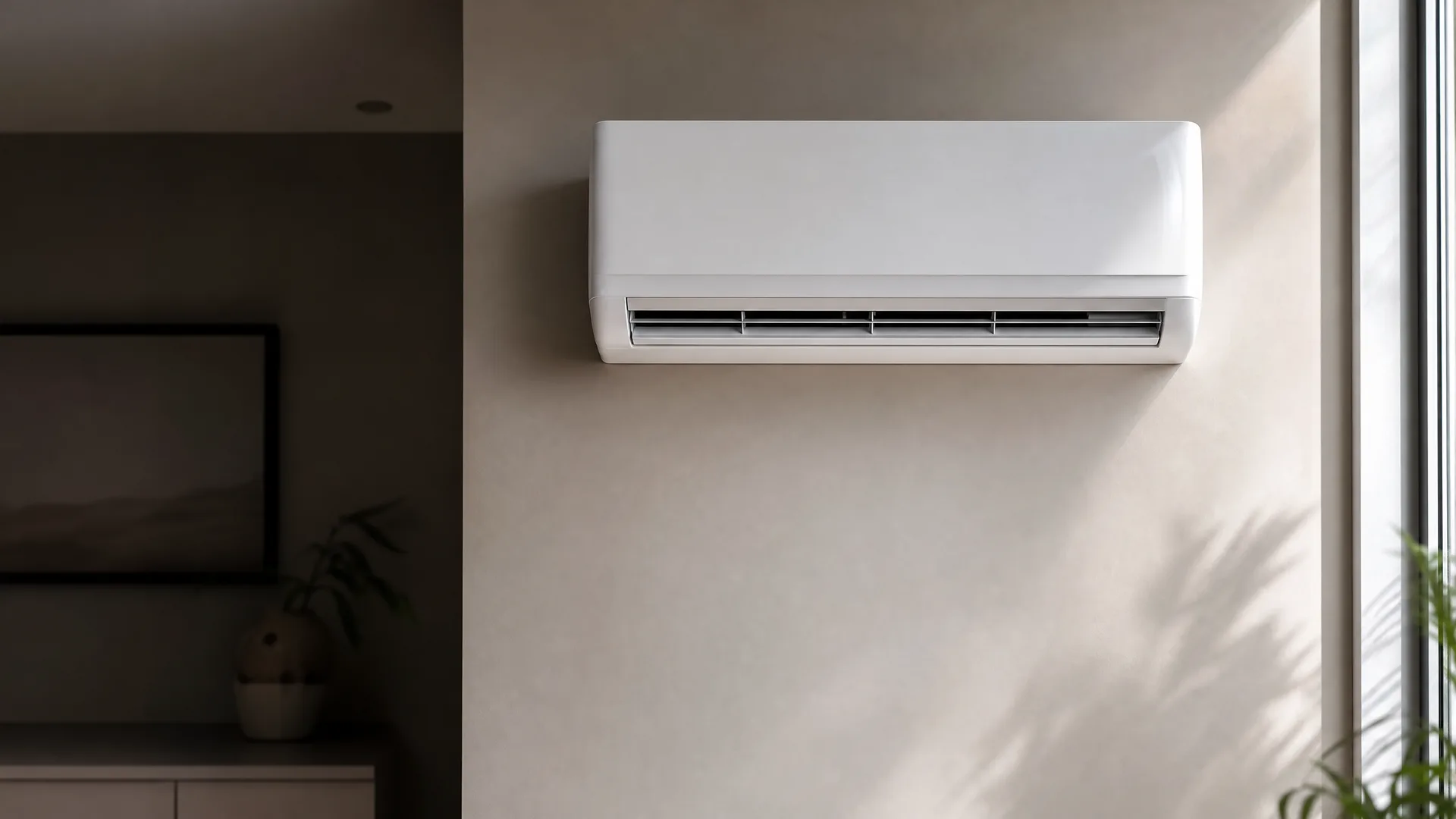
Above freezing, a mini split keeps a room warm on its own, pulling heat from the outside air and moving it in through that wall unit. On a day like that in Colorado, gas heat might not even kick on.
Get your mini split to the right pro
A mini split can heat a home, but whether it should be the only source through a Colorado winter depends on how cold it gets where you live and how the unit is sized for that. Most homes here still have a gas furnace backing things up, so this page gets into what a mini split can carry on its own and where a local contractor can size one for your house.
Get my matchA mini split alone usually can't carry a Colorado winter. Cold climate models keep making heat down into subzero temperatures on paper, but their output drops as the air outside gets colder, right when your house needs the most heat. On the coldest nights here, that gap is real, and a unit sized for shoulder season weather won't close it. Most homes in Colorado heat with gas for this reason, and the mini split works better as a second system than a replacement for the furnace. Used that way, it handles the mild stretches in fall and spring efficiently and takes the edge off summer heat, while the furnace covers the nights a mini split can't keep up with on its own. Whether yours could ever run alone depends on your house, the unit's rated capacity, and how low your winters actually go. That's a sizing question worth getting right before you count on it as your only heat.

Above freezing, a mini split keeps a room warm on its own, pulling heat from the outside air and moving it in through that wall unit. On a day like that in Colorado, gas heat might not even kick on.

Once the temperature outside drops hard, a mini split has to work harder for less heat, and a dirty unit loses capacity it can't spare. That's when the furnace needs to carry the load, and an unmaintained unit falls short right when you need it most.
A mini split moves heat from outside air into your house. Air at 20 degrees still has heat in it, just less than air at 50 degrees. The colder it gets, the harder the compressor works to pull out what's left, and the less heat it can deliver per hour. That's why the same unit that keeps a room warm in November can fall behind in January, even running nonstop.
A mini split sized for an average Colorado day will come up short on the coldest one. The unit has to be matched to the lowest temperature your area actually sees, not the average winter day, or it runs flat out without reaching the thermostat setting. Getting that sizing right is a job for whoever installs it, since it depends on your home and your location, not a number off a chart.
You've read that output drops as it gets colder outside, but that's an abstract idea until you know what the unit is actually doing. You want to know what's happening inside the thing on your wall or sitting outside your house when the temperature falls, not just that performance falls off on a chart.
The outdoor unit has a coil that pulls heat out of the air passing over it. As the air gets colder, the compressor has to work harder and run longer to pull out the same amount of heat, which is why output falls just when you need more of it. Below freezing, frost builds up on that outdoor coil the same way frost builds on a freezer wall. The unit has to pause heating every so often, reverse itself briefly, and melt that frost off before it can keep working. You might notice the outdoor fan stop and steam rise off the unit for a few minutes. That's normal. It's also one more reason a mini split alone struggles on the coldest Colorado nights.




One installer gets your project, so there's no bidding war over it.
Get in touch with a local installer about a new mini split.
No charge to send it. You decide if you hire them.


Picture a January night with the furnace off for some reason, maybe a pilot that won't relight or a service call that has to wait until morning. The mini split keeps running, but the room it heats will feel cooler than it does in October, because the colder the air outside gets, the less heat the unit can pull from it. If that's your only heat that night, you're relying on a machine that's already working harder than it was built to as a full-time source. Run it that way for a whole winter and the compressor puts in more hours under more strain than it would backing up a furnace, which tends to catch up with a unit eventually. Sizing it to actually carry your house through a Colorado winter, rather than just take the edge off, costs more going in. And because it runs on electricity while your furnace runs on gas, leaning on the mini split more in the cold months means more of your heat shows up on the power bill instead. None of this means the unit is wrong for your house. It means the installer needs to know what you're asking it to do before it goes on the wall.


A lot of mini splits in Colorado get installed to handle one room or one addition, with the gas furnace still carrying the rest of the house. That's a different job than keeping a whole home warm through a hard winter on its own. A unit sized to take the edge off a bonus room in October won't have the output to hold a living room at 70 when it's 5 outside. Sizing for whole-home heat means looking at the coldest nights you actually get, not an average, and that's a different calculation than sizing for cooling or for supplemental heat.
Going mini split only changes what the installer has to account for. The unit needs enough capacity at your coldest design temperature, not just at 30 degrees, and it needs to be placed where it can actually move air through the rooms that get cold first. Get that sizing wrong and you find out on the one night it matters, not on a mild day in November. A contractor who installs these in Colorado winters regularly knows what capacity actually holds a house here, because they've seen which installs come up short and which ones don't.
Since the mini split runs on electricity alone, every hour it works below freezing shows up on your power bill at that rate. Gas furnace backup costs less to run on the coldest nights, which is part of why most homes here still lean on one.
EIA-861 2025 statewide residential average
A mini split installed by someone who sizes it right for your house will carry the shoulder months without the furnace ever kicking on, and carry a lot more than that if the unit and the ductless layout were chosen for your specific rooms.
Get that sizing wrong, or put one unit where you needed two, and the same equipment leaves a cold room every January no matter how well the rest of the house holds heat.



Averaged across June, July and August, the dew point in Colorado runs about 42°F, based on where homes sit across the state. That's dry air. It matters more for cooling than heating, but it tells you something about how your mini split spends the summer: the compressor isn't working to wring moisture out of the air, just to drop the temperature. You won't get that clammy feeling even on a hot afternoon. Indoors, that means the unit can hold a room at a comfortable temperature without running as long as it would in a humid climate. Dry air also cools off fast once the sun goes down, which is part of why a mini split can coast through a lot of summer nights here without much effort at all.
NASA POWER T2MDEW county cells weighted by homes

Not on its own, not in most of Colorado. A mini split keeps up fine on the mild days and carries a lot of the shoulder season, but once it's consistently below freezing, a gas furnace is still doing real work in most homes here. That split, mini split for the easy months and furnace for the hard nights, is how the two end up working together rather than one replacing the other.
Getting that balance right depends on the sizing and the layout in your specific house, which is a installation question, not a guess you make from a brochure. A contractor who installs these year-round in Colorado has seen how they actually perform once the temperature drops here, not just what the spec sheet claims. Get matched with one licensed and local to your area, and they'll reach out to look at your home directly, so you're working with a single contractor who knows this equipment rather than fielding calls from several.

Matched to your mini split job